Knee Replacement Surgery Cost
Your health, our priority – We offer you the finest treatment with personalized care that goes beyond treatment. Reach out to us today.
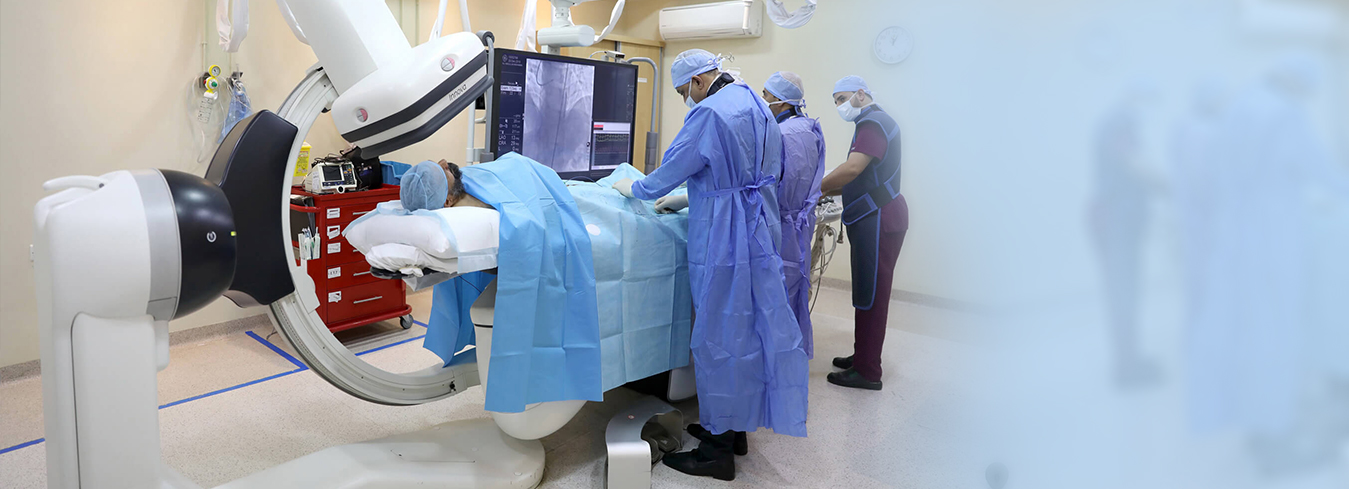
Knee replacement in India has become a popular solution for individuals struggling with chronic knee pain and mobility issues. As one of the most common orthopedic surgeries, it offers a renewed lease on life for those affected by conditions like osteoarthritis, rheumatoid arthritis, or severe knee injuries. Read the page to understand the details about your procedure, cost, and requirements before actually undergoing the surgery
Knee Replacement Surgery Cost in India
Knee replacement surgery cost in India ranges from 4,500 USD to 7,000 USD, depending on the type of procedure. The cost can also vary depending on the patient’s condition, the type of hospital, or the location one opts for.
Types of Knee Replacement Surgery Cost in India
| Type of Knee Replacement Surgery | Min Cost (USD) | Max Cost (USD) |
| Partial Knee Replacement | $2,200 | $4,800 |
| Total Knee Replacement (Unilateral) | $2,800 | $7,200 |
| Bilateral Knee Replacement (Both Knees) | $4,200 | $12,000 |
| Revision Knee Replacement | $3,600 | $9,600 |
| Robotic-Assisted Knee Replacement | $3,600 | $10,000 |
What are the factors that influence the cost of knee replacement surgery in India?
Certain factors can influence the cost of knee replacement surgery in India. Here are the following factors you should be aware of:
- Procedure Type: The type of knee replacement surgery—total, partial, or revision—has a significant impact on the overall cost.
- Implant Composition: The material used for the artificial joint, such as metal, ceramic, or polyethylene, affects cost, longevity, and compatibility.
- Surgical Approach: The method used, whether minimally invasive or traditional open surgery, influences both expenses and recovery time.
- Health Status of the Patient: Pre-existing conditions like diabetes, obesity, or cardiac issues can increase the complexity and cost of the surgery.
- Surgeon’s Skill and Reputation: The expertise and experience of the surgeon can affect both the procedure’s success and its price.
- Length of Hospital Stay: The duration of post-surgery hospitalization contributes to the overall expenses, including room charges and care.
- Geographic Location: Costs can vary widely depending on the city or state, influenced by local healthcare pricing and living costs.
- Hospital Choice: The type of facility, whether a high-end private hospital or a government institution, significantly impacts the final bill.
What is knee replacement surgery?
The process of replacing a broken knee joint with an artificial one composed of metal and plastic parts is known as knee replacement surgery, or knee arthroplasty. It is used to treat persistent knee pain and enhance function in patients whose knee pain has not improved with previous therapies such as physical therapy, medicine, or injections. Total knee replacement involves replacing the complete joint, while partial knee replacement merely replaces the damaged portion of the joint.
What are the types of knee replacements?
Knee replacement surgery is a common orthopedic procedure aimed at relieving pain, restoring function, and improving the quality of life for patients with severe knee joint issues. Depending on the extent of the damage and the patient’s specific condition, there are two main types of knee replacement procedures:
Total Knee Replacement (TKR)
Total knee replacement, often referred to as total knee arthroplasty, involves replacing the entire knee joint with a prosthetic implant. This procedure is considered one of the safest and most effective orthopedic surgeries, especially for managing arthritis and other degenerative joint diseases.
Common Indications:
- Severe arthritis (osteoarthritis, rheumatoid arthritis, or post-traumatic arthritis).
- Chronic pain and mobility issues are not relieved by conservative treatments.
- Although total knee replacement is traditional, it is not used as a “partial knee replacement” technique, as mentioned in the earlier description. Instead, it replaces the entire joint structure.
Partial Knee Replacement (PKR)
Also known as unicompartmental knee replacement, this procedure involves replacing only the damaged portion of the knee joint while preserving the healthy bone and cartilage.
Common Indications:
- Localized arthritis or degeneration affects one part of the knee.
- Injuries or damage from accidents (post-traumatic arthritis).
- Patients with good ligament strength and minimal deformity in the knee.
What are the pre-surgery treatments for knee replacement?
Before performing knee replacement surgery, an orthopedic or arthroscopic surgeon conducts a thorough evaluation of the patient. The assessment typically includes the following diagnostic tests:
- A detailed physical examination is performed to check knee functionality, including range of motion, standing ability, and walking capacity.
- Imaging tests such as X-rays are conducted to identify the extent of damage or deformity.
- MRI scans may be recommended to assess the condition of the bone and knee tissues in detail.
- Blood tests are carried out to measure blood glucose levels and evaluate clotting time to ensure the patient is fit for surgery.
Precautions and measures
- Patients with diabetes or high blood pressure must ensure these conditions are well-managed before surgery. This includes monitoring their diet and avoiding unnecessary stress.
- Smoking and alcohol consumption should be stopped or significantly reduced, as tobacco can interfere with medications and slow down the healing process.
- Once the surgery date is confirmed, it’s essential to maintain a balanced diet and avoid weight gain during this period.
- Arrange for someone to assist you during the recovery phase after surgery.
When do I need a knee replacement?
The primary reason for knee replacement surgery is arthritis, which can be categorized into three main types that lead to knee damage:
Osteoarthritis: This condition occurs when the cartilage that cushions the knee joint wears down and softens over time. The resulting friction between the bones causes pain, stiffness, and reduced mobility. It is most commonly seen in individuals aged 50 and older.
Rheumatoid Arthritis: A form of inflammatory arthritis, this condition involves swelling and thickening of the synovial membrane, which surrounds the joint. Chronic inflammation can progressively damage the cartilage, leading to significant pain and joint stiffness.
Post-Traumatic Arthritis: This type of arthritis develops after an injury to the knee, such as fractures or ligament tears. These injuries can damage the articular cartilage, resulting in long-term pain, stiffness, and joint deterioration.
If you experience any of these conditions, it is advisable to consult an orthopedic or arthroscopic surgeon. For additional guidance or clarification, consider seeking an online consultation with a specialist.
Why choose India for a knee replacement surgery?
India has emerged as one of the best destinations for knee replacement surgery due to a combination of affordability, skilled clinicians, advanced technology, and excellent healthcare facilities. Here’s why:
Affordable Costs: Knee replacement surgeries in India are significantly more affordable compared to Western countries. While the cost in countries like the US or UK can reach tens of thousands of dollars, Indian hospitals offer the same procedures at a fraction of the cost without compromising on quality. This affordability attracts international patients seeking cost-effective yet high-quality care.
Skilled Surgeons: India is home to a vast pool of highly trained and experienced orthopedic surgeons. Many of them have international qualifications or training from renowned institutions, ensuring that patients receive world-class expertise. Indian doctors are known for their personalized approach, focusing on patient comfort and recovery.
Advanced Technology: Indian hospitals are equipped with state-of-the-art technology for knee replacement surgeries, such as robotic-assisted surgery and minimally invasive techniques. These advancements lead to more precise procedures, quicker recovery times, and reduced postoperative complications. International accreditation of several Indian hospitals ensures that global standards of technology and care are maintained.
Comprehensive Facilities: India offers holistic healthcare facilities, including pre-surgical counseling, modern operating theaters, and efficient post-operative care. Physical rehabilitation services ensure smooth recovery. Many hospitals also provide dedicated medical tourism services, offering seamless travel, accommodation, and treatment plans for international patients.
Why choose us?
Experience world-class healthcare in India with our expert medical tourism services. We are committed to supporting international patients at every stage of their healthcare journey, ensuring a seamless and hassle-free experience. From visa assistance and travel coordination to selecting top doctors, hospitals, and personalized treatment plans, our dedicated team handles it all. We offer cost-effective solutions without compromising on quality, tailoring our services to meet your medical and financial needs. With us managing the logistics, you can focus entirely on your recovery, making your healthcare journey efficient, comfortable, and stress-free.
Top Hospitals for Knee Replacement Surgery Cost
Below are the list of the top hospitals that are known for Knee Replacement Surgery Cost procedures:

Shalby Sanar International Hospital, Gurgaon, India



Established in: 2022
Number of Beds: 150
Multi Specialty
Location: Gurugram

Metro hospital, Faridabad
Established in: 2002
Number of Beds: 400
Multi Specialty
Location: Faridabad, India
Gleneagles BGS Hospital, Bangalore
Established in:
Multi Specialty
Location: Bangalore
Medicover Hospital HiTec City Hyderabad
Established in: 2011
Number of Beds: 250
Super Specialty
Location: Hyderabad
KIMS Hospital Hyderabad
Established in: 2014
Number of Beds: 200
Multi Specialty
Location: Hyderabad

Paras Hospital
Established in: 2006
Number of Beds: 300
Multi Specialty
Location: Gurugram
Zydus Hospital Ahmedabad
Established in: 2015
Number of Beds: 550
Super Specialty
Location: Ahmedabad
Indian Spinal Injuries Center, Delhi
Established in: 1995
Number of Beds: 200
Multi Specialty
Location: New Delhi
Apollo Hospitals Jubilee Hills Hyderabad
Established in: 1988
Number of Beds: 550
Super Specialty
Location: Hyderabad

Hisar Intercontinental Hospital
Established in: 2006
Number of Beds: 170
Multi Specialty
Location: Istanbul, Turkey
Our Services
Transparent • Professional • Without Hassles
Compare Cost Estimates
Get detailed cost breakdowns and compare prices across multiple hospitals
Book Doctor Appointment
Schedule appointments with top specialists at your convenience
Hospitalisation Support
Complete assistance from admission to discharge with dedicated care
Video Consultation
Consult doctors online or in-person based on your preference
Travel Assistance
Visa support, flight booking, and airport pickup services
Language Interpreter
Multilingual support to ensure clear communication
Accommodation
Comfortable stay arrangements near the hospital
24/7 Support
Round-the-clock assistance for all your medical needs
Top Knee Replacement Surgery Cost Specialists

Dr. Hemanth Kumar Kasargod
Delhi4.0
Experience: 25
Education: DNB , MBBS
Get a free consultancy
Dr. Hemant Sharma
Gurugram4.0
Experience: 30
Education: MBBS, DNB, FRCS, MRCS
Get a free consultancy
Dr. Vijay Kumar Sohanlal
Chennai, India4.0
Experience: 22
Education: MBBS, MS
Get a free consultancy
Dr. Shreedhar Archik
4.0
Experience: 24 years of experience
Education: D.ORTHO, M.S.ORTHO, M.Sc.Orth.(Oxford)
Get a free consultancy
Dr. Hitesh Garg
Gurugram4.0
Experience: 23
Education: Surgeon Consultant , MBBS, MS
Get a free consultancy
Dr. Neeraj Gupta
New Delhi, India4.0
Experience: 25
Education: Fellowship , Fellowship , MRCS , DNB , D.Ortho , MBBS
Get a free consultancy
Dr. Ankur Nanda
New Delhi, India4.0
Experience: 21
Education: MBBS , MS, Fellowship, MBA
Get a free consultancy
Dr. Gaurav Rathore
Noida4.0
Experience: 27
Education: MBBS , MS , MSc , MCh , MRCS , FRCS, Fellowship
Get a free consultancy
Dr. Deepak Kumar Mishra
Faridabad, India4.0
Experience: 26
Education: MBBS, MS, MRCS, MCh, FICS
Get a free consultancy
Dr. Jatinder Bir Singh Jaggi
Gurgaon4.0
Experience: 30
Education: MBBS, DNB
Get a free consultancy
Get Free Consultation
Fill out the form below and our team will get back to you shortly
Frequently Asked Questions
FAQ’s
- How long does the surgery take?
The procedure typically takes 1.5 to 2 hours, but the total time in the operating room may be longer due to preparation and anesthesia.
- Will I feel pain after surgery?
Post-surgical pain is normal but managed effectively with medications. Pain decreases significantly as you recover.
- How long will the knee implant last?
Modern knee implants last 15–20 years or more, depending on your activity level, weight, and overall health.
- Can I resume normal activities after surgery?
Yes, you can resume most daily activities within a few months. Low-impact exercises like walking, swimming, and cycling are recommended. High-impact activities should be avoided.
- Will I need physiotherapy after surgery?
Yes, physical therapy is essential to regain strength, mobility, and flexibility in the knee. It usually begins the day after surgery.
- Can I knee or squat after knee replacement?
Kneeling and squatting might be challenging initially, but many patients can perform these activities after sufficient recovery and practice.