Hairy Cell Leukemia Treatment Cost in India
Your health, our priority – We offer you the finest treatment with personalized care that goes beyond treatment. Reach out to us today.
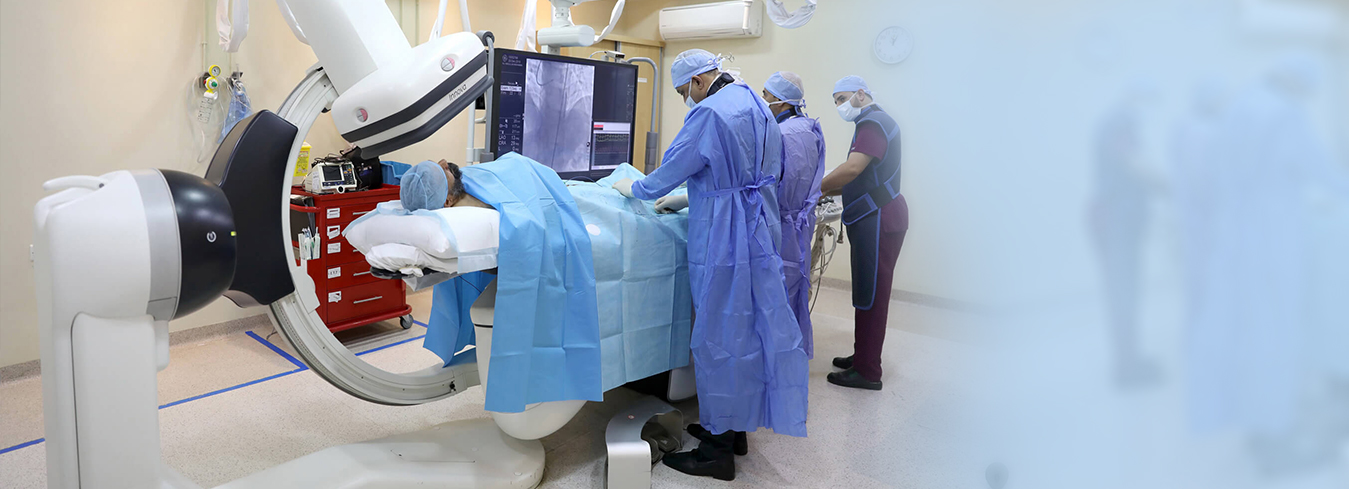
How much does Hairy Cell Leukemia Treatment Cost in India?
Hairy cell leukemia treatment cost in India starts from 3,000 USD and can go up to 6,000 USD, depending on the type of procedure, the patient’s condition, and the type of hospital one chooses.
Type of Procedure for Hairy Cell Leukemia Treatment Cost in India
| Treatment Type | Cost Range (INR) | Cost Range (USD) |
| Chemotherapy (Cladribine/Pentostatin) | ₹1,50,000 – ₹2,50,000 | $1,800 – $3,000 |
| Targeted Therapy (BRAF Inhibitors) | ₹1,80,000 – ₹3,50,000 | $2,200 – $4,200 |
| Immunotherapy (Rituximab) | ₹1,00,000 – ₹2,00,000 | $1,200 – $2,400 |
| Diagnostic Workup | ₹20,000 – ₹50,000 | $240 – $600 |
Note: Please keep in mind that the cost share above is only for the treatment. The final costing will depend on the completion of the treatment. Please coordinate with your healthcare provider for more details.
What are the various factors that is affecting the cost of hairy cell leukemia treatment in India?
There are various key factors that can affect hairy cell leukemia treatment cost in India. Here are the following:
Type of Treatment: The cost varies depending on whether the patient undergoes chemotherapy, targeted therapy, immunotherapy, or combination treatments. Targeted therapy and immunotherapy are usually more expensive than standard chemotherapy.
Stage & Severity of Cancer: Early-stage HCL may require fewer treatment cycles, whereas relapsed or advanced cases often need additional therapy, increasing overall costs.
Hospital Type & Accreditation: Private and JCI/NABH-accredited hospitals generally charge higher fees than government hospitals or smaller clinics due to advanced infrastructure and facilities.
Doctor’s Expertise: Highly experienced hematologists or oncologists with specialized expertise in leukemia may have higher consultation and procedure fees.
City or Location: Costs are typically higher in metropolitan cities like Delhi, Mumbai, Bangalore, and Chennai compared to smaller towns due to operational and living expenses.
Diagnostic Tests & Pre-Treatment Workup: Tests such as bone marrow biopsy, flow cytometry, blood tests, and BRAF mutation analysis contribute to the overall cost.
Hospitalization & Supportive Care: Inpatient stays, blood transfusions, growth factor injections, and post-therapy monitoring can increase expenses.
Medications & Number of Cycles: The total cost depends on number of chemotherapy cycles, doses of immunotherapy, or duration of targeted therapy. Branded medications are costlier than generics.
Additional Procedures or Complications: If complications arise, additional interventions or longer hospital stays may further increase costs.
Top Hospitals for Hairy Cell Leukemia Treatment in India
Given below are the names of the hospitals that is known for providing one of the best treatments for conditions like hairy cell leukemia in India:
- Apollo Hospitals (Chennai, Delhi, Hyderabad)
- Fortis Memorial Research Institute, Gurugram
- Medanta – The Medicity, Gurugram
- Max Super Specialty Hospital, New Delhi
- Kokilaben Dhirubhai Ambani Hospital, Mumbai
- Artemis Hospital, Gurgaon
- Paras Hospital, Gurgaon
- Marengo Hospital, Gurgaon.
What is Hairy Cell Leukemia?
Hairy-cell leukemia is an uncommon and persistent form of B-cell leukemia. Under a microscope, aberrant B cells with “hairy” projections are their defining feature. The spleen and bone marrow are the primary organs affected by this slow-growing blood malignancy, which leads to immunological suppression and low blood counts.
What are the signs and symptoms of hairy cell leukemia?
In many instances, hairy-cell leukemia may not exhibit any signs in its early stages and frequently progresses slowly. But when the illness worsens, the aberrant accumulation of hairy cells in the blood, spleen, and bone marrow starts to interfere with the body’s natural ability to produce blood cells. It can lead to a range of physical symptoms and general health concerns.
Symptoms include:
- Persistent fatigue
- Pain in the bones or fullness in the abdomen
- Frequent infections
- Easy bruising or bleeding
- Unexplained weight loss
Appropriate blood tests and a bone marrow examination are necessary for an appropriate diagnosis because these symptoms can also mimic those of other ailments, such as infections or different kinds of blood problems.
How is it diagnosed?
Advanced imaging, bone marrow analysis, and blood testing are all used to diagnose hairy-cell leukemia. A thorough and precise diagnosis is essential before beginning treatment because the illness is uncommon and shares symptoms with numerous other blood disorders.
- A complete blood count (CBC) showing low WBCs, RBCs, and platelets indicates pancytopenia.
- Peripheral Blood Smear: Where “hairy” lymphocytes are seen.
- A confirmatory test using bone marrow biopsy and aspiration reveals fibrotic marrow with HCL cells.
- Flow Cytometry: Identifies markers such as Annexin A1, CD11c, CD25, and CD103.
- BRAF V600E Mutation Testing: Identified in over 85% of patients; aids in diagnosis confirmation and directs focused treatment.
- Ultrasound/CT imaging: Assessment of spleen enlargement.
What are the different types of treatment used to treat hairy cell leukemia?
Treatment for hairy-cell leukemia is very effective, and many patients experience long-lasting remission. The severity of symptoms, blood counts, spleen size, and the existence of infections all influence treatment. Some individuals with stable conditions and no symptoms might be watched without receiving treatment right away; this is known as “watchful waiting.”
The first-line treatment is chemotherapy.
Chemotherapy employing purine analogs like these is the most popular and successful first-line treatment for HCL.
- Cladribine (2-CdA): Usually administered as a subcutaneous injection or as a brief infusion lasting five to seven days. Up to 90% of patients experience remission.
- Pentostatin: Given intravenously every two weeks until the intended effect is obtained.
These medications function by focusing on the aberrant hairy cells and lowering their quantity in the blood and bone marrow. After a single course, the majority of patients get remission that lasts for several years.
Targeted Therapy
Targeted medicines, such the following, may be given to patients who relapse or do not react well to chemotherapy:
- BRAF inhibitors (vemurafenib): These are most successful in people with the BRAF V600E mutation.
- Moxetumomab pasudotox: A more recent FDA-approved medication that targets CD22 on malignant B cells. In cases of relapsed or refractory HCL, it is beneficial.
Compared to conventional chemotherapy, these treatments are more accurate and might have fewer adverse effects.
Rituximab, which targets CD20, is one example of a monoclonal antibody that may be administered alone in certain patients or added after chemotherapy. They aid in the immune system’s identification and elimination of malignant B cells.
What are some international patient services provided for Hairy Cell Leukemia Treatment in India?
Given below are some of the services provided for patients who come to India for treatment:
- All-inclusive Travel Support: International patients are guaranteed a hassle-free experience with end-to-end support from hospitals like Fortis Hospital and Artemis Hospital, which includes local transportation, airport transfers, and visa help.
- Local Assistance and Accommodations: In order to help patients feel at home, medical tourism companies like Al Afiya Medi Tour provide cultural support, local language translators, and help in setting up lodging close to the hospital.
- Tailored Therapy Programs: There are various organizations that provide individualized treatment programs that, depending on the patient’s condition, may involve immunotherapy, targeted therapy, and chemotherapy.
- Help with Medical Visa and Invitation Letters: Indian hospitals enable patients to apply for a medical visa right away by providing medical invitation letters in a timely manner. To ensure a more seamless immigration experience, many hospitals even assist patients with the visa application process.
- Currency Exchange and Payment Support: In addition to offering international payment methods like credit card payments, wire transfers, and payment gateways, hospitals also offer on-site currency exchange services. There are no hidden fees and full billing transparency is maintained.
How can we assist you?
Al Afiya Medi Tour assists patients by putting them in touch with the best hospitals and doctors in India for a reasonable price. Treatment planning, medical consultations, visa assistance, airport pickup, lodging, translation services, and round-the-clock patient care are all included in their end-to-end support. Under their direction, foreign patients can easily and stress-free receive top-notch care in India.
Top Hospitals for Hairy Cell Leukemia Treatment Cost in India
Below are the list of the top hospitals that are known for Hairy Cell Leukemia Treatment Cost in India procedures:
HCG Cancer Centre Ahmedabad


Established in: 2012
Number of Beds: 75
Single Specialty
Location: Ahmedabad

KD Hospital Ahmedabad
Established in: 2018
Number of Beds: 300
Multi Specialty
Location: Ahmedabad
PSRI hospital, Saket
Established in: 1996
Number of Beds: 106
Multi Specialty
Location: saket, New Delhi
Apollo Hospital Mumbai
Established in: 1983
Number of Beds: 500
Multi Specialty
Location: Mumbai
Global Hospital, Chennai
Established in: 1999
Number of Beds: 1000
Multi Specialty
Location: Chennai
Lilavati Hospital Research Centre Mumbai
Established in: 1997
Number of Beds: 314
Multi Specialty
Location: Mumbai
Shalby Sanar International Hospital, Gurgaon, India
Established in: 2022
Number of Beds: 150
Multi Specialty
Location: Gurugram
Gleneagles Global Hospital Parel Mumbai
Established in: 1996
Number of Beds: 450
Multi Specialty
Location: Mumbai
Columbia Asia Hospital Bangalore
Established in: 2014
Number of Beds: 150
Super Specialty
Location: Bangalore
Kokilaben Dhirubhai Ambani Hospital Mumbai
Established in: 2008
Number of Beds: 750
Multi Specialty
Location: Mumbai
Our Services
Transparent • Professional • Without Hassles
Compare Cost Estimates
Get detailed cost breakdowns and compare prices across multiple hospitals
Book Doctor Appointment
Schedule appointments with top specialists at your convenience
Hospitalisation Support
Complete assistance from admission to discharge with dedicated care
Video Consultation
Consult doctors online or in-person based on your preference
Travel Assistance
Visa support, flight booking, and airport pickup services
Language Interpreter
Multilingual support to ensure clear communication
Accommodation
Comfortable stay arrangements near the hospital
24/7 Support
Round-the-clock assistance for all your medical needs
Top Hairy Cell Leukemia Treatment Cost in India Specialists

Dr. Priya Tiwari
Gurugram4.0
Experience: 17
Education: MBBS , MD , DM
Get a free consultancy
Dr. Rajasundaram
Chennai, India4.0
Experience: 32
Education: MBBS, MS, MCh, DNB, FAIS, FAMS
Get a free consultancy
Dr. Piyush Kumar Agarwal
Gurugram4.0
Experience: 20
Education: MBBS, MS, M.Ch
Get a free consultancy
Dr. Anshuman Kumar
Delhi4.0
Experience: 25
Education: MBBS, MS, MCh, MRCS
Get a free consultancy
Dr. Sumant Gupta
Faridabad, India4.0
Experience: 20
Education: MBBS , MD , DM
Get a free consultancy
Dr. S Jayalakshmi
Gurgaon4.0
Experience: 37
Education: MBBS, MD, DNB, Fellowship
Get a free consultancy
Dr. Muzammil Shaikh
Mumbai4.0
Experience: 25
Education: MBBS , MD , DM , DNB
Get a free consultancy
Dr. Malay Nandy
Noida4.0
Experience: 38
Education: MBBS, MD, DM
Get a free consultancy
Dr. Shivam Vatsal Agarwal
Faridabad, India4.0
Experience: 25
Education: MBBS , MS , Fellowship
Get a free consultancy
Dr. Biswajyoti Hazarika
Gurgaon4.0
Experience: 20
Education: MBBS , MS , Fellowship
Get a free consultancy
Get Free Consultation
Fill out the form below and our team will get back to you shortly
Frequently Asked Questions
FAQ’s
Q: How does Hairy Cell Leukemia vary from other types of leukemia?
A: A rare, slow-growing blood malignancy that affects B cells, hairy cell leukemia is identified by the “hair-like” projections on leukemia cells and usually involves the BRAF V600E mutation.
Q: Is it possible to cure Hairy Cell Leukemia?
A: HCL is quite treatable even though it isn’t typically thought to be cured. With the right care and consistent observation, many patients experience long-term remission.
Q: What is the duration of HCL treatment?
A: Usually, chemotherapy is administered over five to seven days. The majority of patients show recovery in a few weeks, and follow-up care is given over a number of months.
Q: Does treatment necessitate hospitalization?
A: While some chemotherapy can be given as an outpatient treatment, brief hospital stays (three to five days) are typical, particularly for initial treatments or managing side effects.