Cataract Surgery
Your health, our priority – We offer you the finest treatment with personalized care that goes beyond treatment. Reach out to us today.
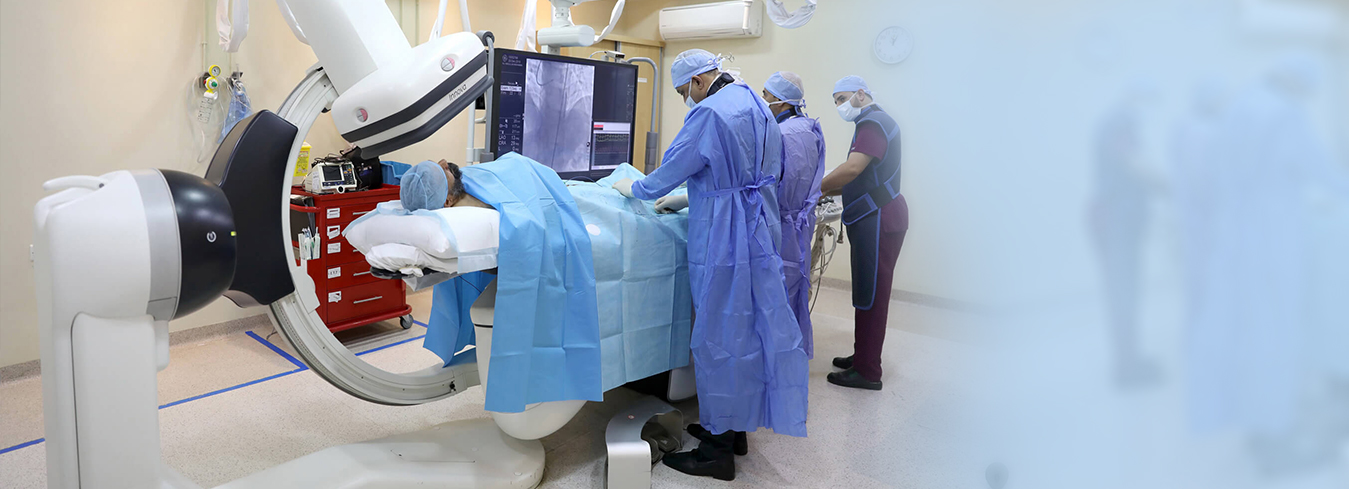
A cataract is any clouding of the lens or its capsule. This can happen because of cloudy lens fibers present from birth or childhood (congenital and developmental cataracts) or due to aging or other degenerative changes that cause the clear lens fibers to become opaque (acquired cataracts).
Cataract surgery is a commonly performed outpatient procedure that involves the removal of the eye’s clouded natural lens, which is then replaced with an artificial intraocular lens (IOL). This surgery is widely regarded as safe and highly effective, significantly enhancing vision and improving the patient’s quality of life. A range of IOLs is available, tailored to meet specific visual needs. Monofocal lenses are designed to correct vision at a single distance, while multifocal lenses provide clarity at multiple distances, reducing the dependency on glasses. Toric lenses, on the other hand, are specifically crafted to correct astigmatism. In India, it is customary to address each eye individually during cataract surgery, allowing optimal recovery and minimizing complications. This approach not only restores clear vision but often reduces the reliance on corrective eyewear like glasses or contact lenses. The availability of advanced IOL options ensures personalized care, making cataract surgery a life-changing intervention for many patients. Take a look ahead to plan your surgery better!
When do I need cataract surgery?
Here is a list of signs and symptoms to look for your doctors. Also the age plays a crucial role in deciding for the surgery.
- Blurred Vision: Cataracts can cause vision to become foggy or unclear, making it difficult to perform everyday activities.
- Reduced Night Vision: Trouble seeing clearly in low light, along with experiencing glare or halos around lights, may be indicative of cataract-related issues.
- Diminished Color Perception: A cloudy lens caused by cataracts can make colors appear dull, faded, or less vibrant.
- Sensitivity to Glare and Halos: Increased glare and the presence of halos around lights, especially during nighttime, can be uncomfortable and are often linked to cataracts.
- Increased Light Sensitivity: Cataracts can make the eyes more sensitive to light, causing discomfort in bright environments.
- Frequent Prescription Changes: A need for frequent updates to your glasses or contact lens prescription to maintain clear vision may indicate the presence of cataracts.
- Requirement for Brighter Light: Reading or other close-up tasks may become challenging due to cataracts, often requiring stronger lighting to see clearly.
- Double Vision: The occurrence of double vision, particularly noticeable when one eye is closed, could be a symptom of cataracts affecting visual clarity.
What are the factors affecting the cost of cataract surgery in India?
The cost of cataract surgery in India varies significantly based on several factors, including the type of surgery, the type of intraocular lens (IOL) chosen, and the patient’s age.
- Type of Surgery:
The technique used for cataract surgery plays a major role in the overall cost. Traditional methods like ExtraCapsular Cataract Extraction (ECCE) tend to be more affordable, while advanced procedures like Phacoemulsification (which uses ultrasound to break up the cataract) and Femtosecond Laser-Assisted Cataract Surgery (FLACS) are more expensive due to the advanced technology involved. FLACS, for instance, is a bladeless, precision-driven surgery that requires higher costs for the laser equipment and specialized care. - Type of Intraocular Lens (IOL):
The choice of IOL also significantly affects the price. Standard monofocal lenses are the most cost-effective option, providing good vision at one distance, usually for far vision. However, multifocal, trifocal, and toric lenses, which offer better outcomes for near, far, and intermediate vision or correct astigmatism, come at a premium price. Premium lenses like multifocal or toric IOLs that can substantially raise the total cost of surgery. - Age and Health Condition of the Patient:
While age itself doesn’t directly impact the surgery cost, older patients or those with additional health concerns like diabetes or high blood pressure may require more careful evaluation and monitoring, which can increase the cost. Additionally, patients with advanced cataracts or other eye conditions may require more complex procedures or special care, which can further drive up the expenses.
Together, these factors determine the overall cost of cataract surgery in India.
What are the various types of cataract surgery performed in India?
Surgery is often considered as treatment of choice, especially for elderly patients. Here is a list of surgeries widely performed in India.
Phacoemulsification (Phaco Surgery): This is India’s most common cataract surgery method. A 2-3 mm incision is made at the eye’s front, and an ultrasonic handpiece breaks the cloudy lens into small fragments, which are suctioned out. A foldable intraocular lens (IOL) is then implanted through the same incision. This technique minimizes scarring, shortens recovery, and is ideal for less advanced cataracts.
Extracapsular Cataract Surgery (ECCE): For advanced cataracts unsuitable for phacoemulsification, ECCE may be recommended. A larger incision (10-12 mm) is used to remove the lens in one piece. While more complex and requiring sutures, it remains an option in specific cases.
Small Incision Cataract Surgery (SICS): SICS is a modern technique positioned between phacoemulsification and traditional ECCE. It involves a smaller incision of 5-6 millimeters, making it ideal for patients with moderately advanced cataracts. The procedure uses fluid pressure to remove the cataract, eliminating the need for sutures and enabling quicker, more comfortable recovery.
Intracapsular Cataract Extraction (ICCE): An older and less common method, ICCE involves removing the entire lens along with its capsule in one piece. Due to a higher risk of complications, it is rarely performed in India and is primarily reserved for cases where newer techniques are unsuccessful.
Femtosecond Laser-Assisted Cataract Surgery (FLACS): FLACS uses a femtosecond laser for precise corneal incisions, lens capsule opening, and cataract fragmentation, enhancing accuracy and reducing reliance on traditional instruments.
Robot-Assisted Cataract Surgery (FLAC): This bladeless, computer-guided technique offers exceptional precision and safety. Approved by the US FDA, it improves vision quality, reduces distortions, and expands the visual range. In India, the cost varies depending on the type of lens implant used.
Minimally Invasive Cataract Surgery (MICS): MICS involves removing cataracts through a tiny incision, typically less than 1.8 mm. This technique minimizes trauma and scarring, promoting faster recovery compared to standard procedures. It is particularly suitable for patients with very small or thick cataracts.
What is the best treatment option for adult cataract in India?
Phacoemulsification with foldable intraocular lens implantation is the best and most affordable treatment in India. The surgery has many advantages over other surgical technique :
- Small Incision: Requires only a tiny incision, reducing trauma to the eye.
- Faster Recovery: Promotes quicker healing and minimal scarring.
- No Sutures Needed: Typically eliminates the need for stitches.
- Improved Vision Outcomes: Offers excellent visual clarity post-surgery.
- Short Procedure Time: The surgery is usually completed quickly, often in less than 30 minutes.
What is the cost of various cataract surgery in India?
Here is a detailed cost analysis of various cataract surgeries performed in India. The cost of surgery is greatly dependent on the type of lens used for replacement. Check out the next session to understand the types of lens and their detailed cost analysis.
| Cataract Surgery | Minimum Cost | Maximum Cost |
| Phacoemulsification | ₹32,000 | ₹65,000 |
| Manual Small Incision | ₹20,000 | ₹30,000 |
| Microincision Surgery | ₹60,000 | ₹70,000 |
| Femtosecond Laser Assisted | ₹50,000 | ₹1,00,000 |
Considering a detailed analysis of the cost of various surgeries, phacoemulsification is clearly the best option for cataract. Manual small incision cataract surgery is less expensive but an invasive procedure whereas laser assisted procedures are variably easier and less complicated but cost could be the defining factor. This makes phacoemulsification a winner!
What are the types of Intraocular lens used in cataract surgery in India?
The main types of intraocular lenses (IOLs) used in cataract surgery in India include:
- Monofocal IOLs: Cost-effective and widely used, these lenses provide sharp vision at a single focal point, typically for distance. Patients may require glasses for near tasks.
- Multifocal IOLs: Designed for both near and distance vision, these presbyopia-correcting lenses reduce dependency on reading glasses. Advanced options include blue light filters and anti-PCO rings for better vision quality.
- Trifocal IOLs: These lenses offer clear vision at three distances—long, intermediate, and short—enhancing versatility in daily activities.
- Toric IOLs: Specially designed to correct astigmatism while improving vision at various distances, these lenses are a significant advancement in cataract surgery.
What is the cost of various IOLs used in India?
Here is a detailed analysis of various cost IOLs used in India for cataract surgery.
| Type of IOL | Category | Price Range (per eye) | |
|
Standard Indian-Made | $265 – $300 | |
| Premium Indian-Made | $360 – $400 | ||
| Johnson & Johnson | $520 – $1025 | ||
| Multifocal | Premium Indian Brands | $370 – $780 | |
| Multinational Brands (Alcon, J&J, Zeiss) | $850 – $1100 | ||
| Trifocal | Premium Indian Trifocal | $550 – $650 | |
| Zeiss Trifocal | $900 – $1100 | ||
| J&J Synergy Trifocal | $785 – $985 |
The choice of IOLs is solely dependent on the need and the type of the surgery opted by the patient. Talk to your healthcare provider for better customization of your surgery.
Why choose us?
At Al Afiya MediTour, we go beyond traditional medical tourism services, offering a patient-centric approach that prioritizes your comfort, convenience, and care. Our team is committed to guiding you through every step of your healthcare journey, ensuring a smooth and reassuring experience.
Top Hospitals for Cataract Surgery
Below are the list of the top hospitals that are known for Cataract Surgery procedures:

Jaslok Hospital Mumbai


Established in: 1973
Number of Beds: 350
Multi Specialty
Location: Mumbai

Yatharth Super Speciality Hospital Noida
Established in: 2013
Number of Beds: 1200
Super Specialty
Location: Noida
Max Hospital, Shalimar Bagh
Established in: 2011
Number of Beds: 300
Super Specialt
Location: New Delhi
MIOT International Hospital, Chennai
Established in: 1999
Number of Beds: 1000
Multi Specialty
Location: Chennai, India
Sakra World Hospital Bangalore
Established in: 2013
Number of Beds: 300
Multi Specialty
Location: Bangalore
DR L H Hiranandani Hospital Mumbai
Established in: 2004
Number of Beds: 240
Super Specialty
Location: Mumbai
Centre For Sight Eye Hospital Gurugram
Established in:
Single Specialty
Location: Gurugram
Gleneagles Global Hospital Parel Mumbai
Established in: 1996
Number of Beds: 450
Multi Specialty
Location: Mumbai
Continental Hospitals Hyderabad
Established in: 2013
Number of Beds: 750
Super Specialty
Location: Hyderabad

Medanta The Medicity
Established in: 2009
Number of Beds: 1250
Multi Specialty
Location: Gurugram
Our Services
Transparent • Professional • Without Hassles
Compare Cost Estimates
Get detailed cost breakdowns and compare prices across multiple hospitals
Book Doctor Appointment
Schedule appointments with top specialists at your convenience
Hospitalisation Support
Complete assistance from admission to discharge with dedicated care
Video Consultation
Consult doctors online or in-person based on your preference
Travel Assistance
Visa support, flight booking, and airport pickup services
Language Interpreter
Multilingual support to ensure clear communication
Accommodation
Comfortable stay arrangements near the hospital
24/7 Support
Round-the-clock assistance for all your medical needs
Top Cataract Surgery Specialists

Dr. Suraj Munjal
4.0
Experience: 10 year Experience
Education: MBBS, MS Ophthalmology
Get a free consultancy
Dr. Sunaina Arora
4.0
Experience: 18 Years of Experience
Education: MBBS, MD - Ophthalmology Senior Consultant – Ophthalmology
Get a free consultancy
Dr. Suraj Munjal
Delhi4.0
Experience: 10 year Experience
Education: MBBS, MS Ophthalmology
Get a free consultancy
Dr. Sameer Kaushal
Gurgaon4.0
Experience: 24
Education: MBBS, MD, DNB
Get a free consultancy
Get Free Consultation
Fill out the form below and our team will get back to you shortly
Before the Procedure
What are the procedures performed before cataract surgery? Procedures Performed Before Cataract Surgery
Before cataract surgery, several steps are taken to ensure the procedure is safe and successful. These include:
- Comprehensive Eye Examination:
The ophthalmologist conducts a detailed eye exam to confirm the presence of cataracts and assess the severity. This includes checking visual acuity, intraocular pressure, and examining the retina and optic nerve. - Measurement of the Eye:
Advanced tests like biometry and keratometry are used to measure the size and shape of the eye. This helps determine the appropriate power for the intraocular lens (IOL) to be implanted during surgery. - Discussion of IOL Options:
Patients are educated about the types of IOLs available, including monofocal, multifocal, trifocal, and toric lenses. The choice depends on the patient’s lifestyle, vision needs, and budget. - Health Evaluation:
The patient’s overall health is assessed to rule out any conditions that could affect surgery, such as diabetes or uncontrolled hypertension. Blood tests and a general medical evaluation may be conducted if needed. - Medications Review:
The doctor reviews the patient’s current medications, as some drugs may need to be stopped before surgery, such as blood thinners, to reduce the risk of bleeding. - Corneal Topography:
For patients with astigmatism or those opting for premium lenses, corneal mapping is done to provide a detailed analysis of the eye’s surface. - Pre-Surgery Instructions:
Patients are advised to avoid eating or drinking a few hours before surgery. Antibiotic eye drops may be prescribed to reduce the risk of infection. - Consent and Discussion:
The surgeon explains the procedure, risks, and benefits, and the patient signs a consent form.
These steps ensure that the surgery is tailored to the patient’s needs and minimizes potential risks.
After the Procedure
What is post treatment care for patients?
Proper care after cataract surgery is essential to ensure a smooth recovery and optimal vision outcomes. Key post-treatment guidelines include:
- Use Prescribed Eye Drops:
Patients are prescribed antibiotic and anti-inflammatory eye drops to prevent infection and reduce inflammation. It’s crucial to follow the dosage schedule as instructed. - Protect Your Eyes:
Wearing an eye shield or protective glasses, especially while sleeping, is recommended during the initial days after surgery to prevent accidental rubbing or injury. - Avoid Strenuous Activities:
Refrain from heavy lifting, bending over, or engaging in vigorous physical activities for at least a week, as these can increase eye pressure and affect healing. - Follow Hygiene Practices:
Keep your hands clean before applying eye drops or touching your eyes. Avoid exposing your eyes to dust, water, or potential irritants for the first few weeks. - Monitor for Complications:
Watch for symptoms such as severe pain, persistent redness, decreased vision, or unusual discharge, and report them immediately to your doctor. - Limit Screen Time and Reading:
Minimize activities that strain your eyes, such as prolonged screen use or extensive reading, during the initial recovery period. - Attend Follow-Up Appointments:
Regular follow-up visits are crucial to monitor healing, check vision improvement, and detect any early signs of complications. - Avoid Driving Initially:
Patients should not drive until their doctor confirms that vision has stabilized sufficiently to do so safely. - Avoid Makeup or Eye Creams:
Do not use makeup or any creams around the eyes for at least a week to reduce the risk of infection.
By adhering to these guidelines, cataract patients can recover comfortably and achieve the best possible results from their surgery.
Frequently Asked Questions
FAQ’S
Is cataract surgery painful?
No, cataract surgery is generally not painful. It is performed under local anesthesia, so you may feel slight pressure but no pain. Post-surgery discomfort is minimal and manageable with prescribed eye drops.
How long does the procedure take?
The actual surgery typically takes about 10–15 minutes. However, the entire visit, including preoperative preparation and postoperative recovery, may last a few hours.
Can cataracts come back after surgery?
No, cataracts cannot return after surgery. However, some patients may develop a condition called posterior capsule opacification (PCO), which can be easily treated with a painless laser procedure.
Is cataract surgery covered by insurance?
Most insurance plans, including Medicare, cover cataract surgery and standard IOLs. However, premium lenses or additional tests may involve out-of-pocket costs.
Can I resume normal activities right after surgery?
You can return to most activities within a day or two, but avoid strenuous exercise, heavy lifting, and swimming for at least 1–2 weeks. Follow your doctor’s specific guidelines.