Heart Transplant Cost
Your health, our priority – We offer you the finest treatment with personalized care that goes beyond treatment. Reach out to us today.
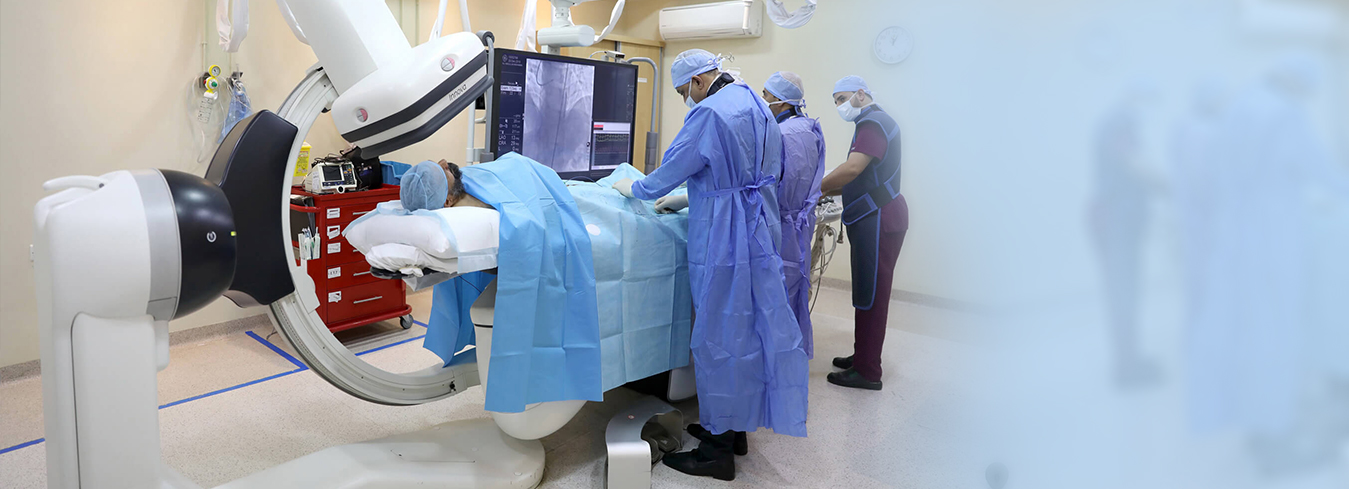
Heart transplantation in India has become a leading option for patients with end-stage heart failure or severe coronary artery disease. With state-of-the-art hospitals and skilled cardiac surgeons, India offers high-quality medical care at a fraction of the cost compared to many Western countries. The country’s robust organ donation programs, coupled with advancements in transplant technology and post-operative care, have led to improved outcomes for patients. India’s heart transplant centers are equipped with advanced diagnostic tools, immunosuppressive therapies, and personalized treatment plans, making it a preferred destination for medical tourists seeking affordable, world-class heart transplantation services.
Heart Transplant Cost in India
Heart transplant cost in India can start from 40,000 USD and can go up to 70,000 USD, depending on the hospital, surgeon’s expertise, and post-transplant care, the total cost can go up. The following are the costs of the different procedures for heart transplant i India.
| Types of Procedure | Description | Average Cost Range (USD) |
| Heart Transplant | The most common type is where the patient’s diseased heart is removed and replaced with a donor heart. | $45,000 – $70,000 |
| Heterotopic Heart Transplant (Piggyback) | A donor heart is added alongside the patient’s existing heart, often used when the original heart is too weak but not removed. | $50,000 – $75,000 |
| Domino Heart Transplant | A rare procedure where a patient receiving a heart-lung transplant donates their healthy heart to another patient. | $48,000 – $72,000 |
| Artificial Heart Transplant (Total Artificial Heart Implant) | A mechanical device replaces the entire heart, used when a donor heart is unavailable. | $65,000 – $90,000 |
| Pediatric Heart Transplant | Performed on infants and children with severe heart conditions. | $40,000 – $65,000 |
Cost of a heart transplant in various cities in India:
| City | Average Starting Cost | Average Maximum Cost |
| New Delhi | $45,000 | $70,000 |
| Mumbai | $46,000 | $72,000 |
| Chennai | $44,000 | $68,000 |
| Bangalore | $45,000 | $70,000 |
| Hyderabad | $43,000 | $67,000 |
| Kolkata | $42,000 | $65,000 |
| Pune | $44,000 | $68,000 |
| Ahmedabad | $43,000 | $66,000 |
Factors that can affect the cost of Heart Transplant in India
The cost of a heart transplant is influenced by several factors, which can be summarized as follows:
Pre-Transplant Costs:
- Medical Evaluation: Comprehensive testing to determine patient eligibility.
- Donor Matching and Procurement: Costs related to finding and transporting a suitable donor heart.
- Hospital Admission: Pre-surgical hospital stays for stabilization or monitoring.
- Specialist Consultations: Involvement of multiple healthcare specialists, including cardiologists and transplant surgeons.
Surgical Costs:
- Surgery Expenses: Costs for the operating room, surgical team, and equipment.
- Anesthesia and Monitoring: Specialized care during the procedure.
Post-Transplant Costs:
- ICU Care: Intensive monitoring and care immediately after the transplant.
- Medications: Lifelong immunosuppressants to prevent organ rejection and other supportive drugs.
- Rehabilitation: Physical therapy and cardiac rehabilitation programs.
Long-term Follow-up:
- Regular Check-ups: Frequent follow-ups to monitor heart function and detect complications.
- Complications Management: Costs of addressing rejection, infection, or other post-transplant issues.
What is a heart transplant?
The process of replacing a failing heart with a healthier donor heart is known as a heart transplant. Heart transplants are often reserved for patients whose conditions have not improved sufficiently with drugs or prior operations. Even though a heart transplant is a big procedure, if you receive the right aftercare, your chances of survival are high.
Why is heart transplantation done?
Heart transplants are considered when all other treatments for severe heart conditions have failed, leading to end-stage heart failure. Common causes necessitating a heart transplant in adults include:
- Cardiomyopathy: Weakening of the heart muscle that impairs its ability to pump effectively.
- Coronary Artery Disease: Severe blockages or damage to the arteries supplying the heart muscle.
- Heart Valve Disease: Advanced disease or dysfunction of heart valves not manageable by surgery or other interventions.
- Congenital Heart Defects: Structural heart problems present from birth that progress despite prior treatments.
- Ventricular Arrhythmias: Life-threatening, recurrent abnormal heart rhythms unresponsive to medication or devices like defibrillators.
- Failure of a Previous Heart Transplant: When the transplanted heart fails, another transplant may be the only option.
When is a Heart transplant not suitable?
A heart transplant is not the right solution for every patient. Some factors that may disqualify a candidate include:
- Advanced Age: If recovery from surgery is unlikely due to age-related complications.
- Other Severe Medical Conditions: Coexisting illnesses, such as serious kidney, liver, or lung diseases, that would significantly reduce life expectancy.
- Active Infections: Current infections can increase the risks associated with transplantation.
- Recent History of Cancer: A recent cancer diagnosis may prevent eligibility due to risks of recurrence or complications.
- Inability to Commit to Necessary Lifestyle Changes: Candidates must be ready to adopt a healthy lifestyle, including avoiding smoking, recreational drug use, and excessive alcohol consumption, to ensure the success of the transplant.
What are the preparations done before the transplantation?
Before a heart transplant evaluation, various tests may be conducted to assess the functioning of your heart, lungs, and other organ systems. These may include:
- Echocardiogram: To evaluate heart structure and function.
- Electrocardiogram (ECG): To monitor the electrical activity of your heart.
- Cardiac catheterization: To measure pressures within the heart and assess blood flow.
- MVO2 test (exercise stress test): To determine your heart’s capacity during physical activity.
- Chest X-ray: To visualize the size and condition of your heart and lungs.
- Pulmonary function tests: To evaluate lung capacity and function.
- Doppler ultrasound of the lower extremities and carotid arteries: To check for blockages or blood flow issues.
- Abdominal and pelvic ultrasound: To assess organ health.
- Comprehensive blood tests: To evaluate overall health and detect any underlying issues.
- The transplant team will carefully review these results to determine if a heart transplant is the most suitable treatment. Whenever possible, alternative therapies for heart failure will be considered before proceeding with transplantation.
The transplant team will carefully review these results to determine if a heart transplant is the most suitable treatment. Whenever possible, alternative therapies for heart failure will be considered before proceeding with transplantation.
What makes India the best option for heart transplantation?
India has emerged as one of the top global destinations for heart transplantation due to a unique combination of medical expertise, world-class infrastructure, and cost-effective treatment. Here’s why many international patients choose India for heart transplant surgery:
- World-Class Cardiac Surgeons & Expertise
- Advanced Medical Infrastructure
- Cost-Effective Treatment
- International Patient Support & Medical Tourism Services
- High Success Rates & Better Recovery Outcomes
- Availability of Organ Transplants and Advanced Donor Programs
In short, India offers the perfect blend of medical excellence, affordability, advanced technology, and holistic care, making it one of the best and most trusted destinations for heart transplantation in the world.
Latest Innovations in Heart Transplants in India
Artificial Heart Technology: The use of mechanical devices such as the Total Artificial Heart (TAH) has improved bridging therapy for patients awaiting heart transplants, providing a reliable temporary solution for end-stage heart failure.
Bioprinting of Heart Tissues: 3D bioprinting technology is being explored to print heart tissues, enabling the creation of personalized heart models and improving transplant outcomes. In the future, bioprinted organs may offer a new avenue for transplantation.
Improved Immunosuppressive Therapies: New immunosuppressive drugs and targeted therapies are being developed to better manage rejection while minimizing side effects, offering improved long-term outcomes for transplant recipients.
Organ Preservation Techniques: Innovations in organ preservation, such as machine perfusion (heart preservation using a machine to pump blood through the organ), increase the viability of donor hearts, especially those from older or marginal donors.
Why choose Al Afiya Medi Tour?
We at Al Afiya Medi Tour is dedicated to helping international patients navigate every stage of their healthcare experience, ensuring a seamless and hassle-free process. Our services cover everything from visa assistance and travel arrangements to helping you choose the right doctors, hospitals, and treatment plans.
We focus on delivering affordable options without sacrificing quality, offering customized solutions that meet both your medical needs and financial considerations. With our expert team by your side, you can concentrate on your health while we take care of all the logistical details, ensuring your recovery journey is smooth, efficient, and comfortable.
Top Hospitals for Heart Transplant Cost
Below are the list of the top hospitals that are known for Heart Transplant Cost procedures:

DR L H Hiranandani Hospital Mumbai



Established in: 2004
Number of Beds: 240
Super Specialty
Location: Mumbai

Aster Prime Hospital, Hyderabad
Established in: 2006
Number of Beds: 250
Multi Specialty
Location: Hyderabad
Gleneagles Global Hospital Parel Mumbai
Established in: 1996
Number of Beds: 450
Multi Specialty
Location: Mumbai
Zydus Hospital Ahmedabad
Established in: 2015
Number of Beds: 550
Super Specialty
Location: Ahmedabad
Columbia Asia Hospital Bangalore
Established in: 2014
Number of Beds: 150
Super Specialty
Location: Bangalore
Apollo Hospital Mumbai
Established in: 1983
Number of Beds: 500
Multi Specialty
Location: Mumbai
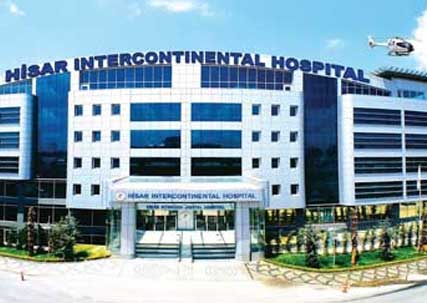
Hisar Intercontinental Hospital
Established in: 2006
Number of Beds: 170
Multi Specialty
Location: Istanbul, Turkey
Fortis Hospital, Shalimar Bagh
Established in: 2010
Number of Beds: 262
Multi Specialty
Location: New Delhi
Max Hospital, Shalimar Bagh
Established in: 2011
Number of Beds: 300
Super Specialt
Location: New Delhi
Gleneagles BGS Hospital, Bangalore
Established in:
Multi Specialty
Location: Bangalore
Our Services
Transparent • Professional • Without Hassles
Compare Cost Estimates
Get detailed cost breakdowns and compare prices across multiple hospitals
Book Doctor Appointment
Schedule appointments with top specialists at your convenience
Hospitalisation Support
Complete assistance from admission to discharge with dedicated care
Video Consultation
Consult doctors online or in-person based on your preference
Travel Assistance
Visa support, flight booking, and airport pickup services
Language Interpreter
Multilingual support to ensure clear communication
Accommodation
Comfortable stay arrangements near the hospital
24/7 Support
Round-the-clock assistance for all your medical needs
Top Heart Transplant Cost Specialists

Dr. Vaibhav Kumar
Gurugram4.0
Experience: 15
Education: MBBS, MS, MCh
Get a free consultancy
Dr. Vikas Dua
Gurgaon, India4.0
Experience: 22
Education: MBBS, MD, Fellowship
Get a free consultancy
Dr. Sandeep Guleria
Delhi4.0
Experience: 35
Education: MBBS, DNB, MS, Fellowship, DNBE
Get a free consultancy
Dr. Vivek Vij
Gurugram, India4.0
Experience: 20
Education: MBBS, MS, MRCS, DNB
Get a free consultancy
Dr. Dinesh Khullar
New Delhi, India4.0
Experience: 37
Education: MBBS , MD , DM
Get a free consultancy
Dr. Rahul Naithani
4.0
Experience: 6 Year of Experience
Education: Consultant , MBBS, MD, DM
Get a free consultancy
Dr. Rahul Bhargava
Gurgaon, India4.0
Experience: 23+ Years of Experience
Education: HOD, MBBS, MD, DM
Get a free consultancy
Get Free Consultation
Fill out the form below and our team will get back to you shortly
Frequently Asked Questions
FAQs
- What is a heart transplant, and when is it needed?
A heart transplant is a surgical procedure to replace a diseased or failing heart with a healthy heart from a deceased donor. It is typically recommended for patients with severe heart failure or end-stage heart disease when other treatments are no longer effective.
- How long does it take to recover from a heart transplant?
Recovery varies for each patient but generally involves a hospital stay of 2-3 weeks, followed by several months of rehabilitation and medical monitoring. Full recovery may take 6-12 months, depending on individual progress and adherence to post-transplant care.
- What are the risks associated with a heart transplant?
Key risks include organ rejection, infections due to immunosuppressive medications, complications from surgery, and side effects from long-term medication use. Regular follow-ups and medication adherence minimize these risks.
- How long does a transplanted heart last?
With proper care, a transplanted heart can last 10-15 years or more. Lifelong monitoring and healthy lifestyle changes are essential for maintaining heart function.
- What lifestyle changes are required after a heart transplant?
Post-transplant care includes taking immunosuppressants, eating a heart-healthy diet, avoiding smoking and alcohol, exercising regularly, managing stress, and attending regular medical check-ups to ensure the longevity of the transplanted heart.