Shoulder Replacement
Your health, our priority – We offer you the finest treatment with personalized care that goes beyond treatment. Reach out to us today.
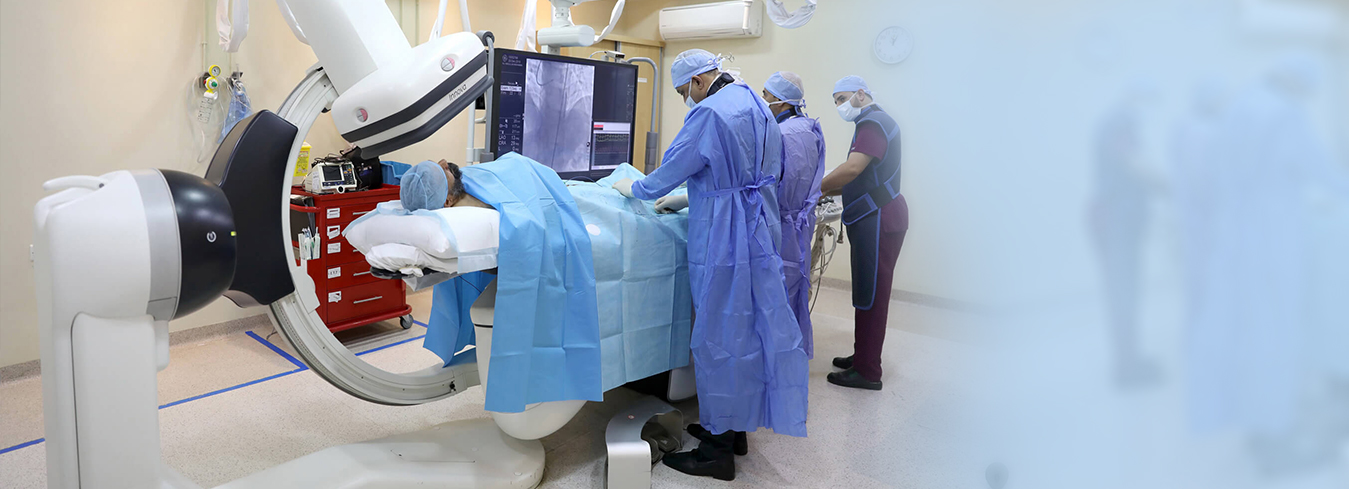
Shoulder replacement surgery is a sophisticated medical procedure aimed at alleviating pain, restoring movement, and improving the quality of life for individuals suffering from severe shoulder damage or disorders. This procedure involves replacing the damaged parts of the shoulder joint with artificial components known as prosthetics. The surgery is particularly beneficial for individuals whose shoulder function has been severely impacted by conditions such as arthritis, fractures, or rotator cuff injuries.
In this article, we will delve into the cost of shoulder replacement surgery in India and factors affecting its costs.
Introduction:
Shoulder replacement surgery is a sophisticated medical procedure aimed at alleviating pain, restoring movement, and improving the quality of life for individuals suffering from severe shoulder damage or disorders. This procedure involves replacing the damaged parts of the shoulder joint with artificial components known as prosthetics. The surgery is particularly beneficial for individuals whose shoulder function has been severely impacted by conditions such as arthritis, fractures, or rotator cuff injuries.
The shoulder joint, a ball-and-socket structure, plays a crucial role in enabling a wide range of movements. However, its complexity also makes it vulnerable to injuries and degenerative diseases. Over time, wear and tear or trauma can cause chronic pain and stiffness, severely affecting a person’s ability to perform everyday tasks. Shoulder replacement surgery offers a long-term solution, providing patients with pain relief and improved functionality.
Types of Shoulder Replacement Surgery
In India, a variety of shoulder replacement surgeries are performed, tailored to the patient’s specific needs and medical conditions.
- Total Shoulder Replacement: This is the most commonly performed surgery, involving the replacement of both the ball (humeral head) and socket (glenoid) with prosthetic components. It is ideal for patients with advanced arthritis or severe joint damage.
- Reverse Shoulder Replacement: In this innovative procedure, the positions of the ball and socket are reversed. It is particularly effective for individuals with damaged or irreparable rotator cuffs, offering stability and pain relief where traditional methods might fail.
- Partial Shoulder Replacement: Also known as hemiarthroplasty, this surgery replaces only the ball of the shoulder joint while leaving the natural socket intact. It is typically recommended for patients with specific conditions like localized joint damage.
- Revision Shoulder Replacement: This procedure addresses complications from a previous shoulder replacement, such as implant wear, instability, or infection. It involves either replacing or repairing the existing prosthetics.
Common Conditions That Necessitate Surgery
Several conditions can lead to the need for shoulder replacement surgery:
- Osteoarthritis: This degenerative joint disease wears away cartilage, causing bone-on-bone friction, leading to pain and reduced mobility.
- Rheumatoid Arthritis: An autoimmune condition that inflames and damages joints, causing severe pain and deformity.
- Rotator Cuff Tear Arthropathy: Chronic rotator cuff injuries can lead to arthritis-like symptoms, necessitating specialized surgery such as reverse shoulder replacement.
- Severe Fractures: Complex or multiple fractures in the shoulder joint, especially in older patients, may require surgical intervention for restoration.
- Avascular Necrosis: This condition, caused by reduced blood supply to the shoulder joint, leads to bone death and necessitates surgical replacement.
The Surgical Process: A Detailed Overview
Shoulder replacement surgery is a meticulously planned and executed procedure, requiring a combination of pre-operative assessments, surgical precision, and comprehensive post-operative care to ensure successful outcomes. Below is an expanded breakdown of the key stages involved in the process:
-
Pre-Surgical Assessment: Comprehensive Evaluation
This stage is critical for tailoring the surgery to the individual needs of the patient. It involves:
- Medical History Review: The surgeon evaluates the patient’s medical history, including previous injuries, existing conditions such as arthritis, and any history of allergies or reactions to anesthesia.
- Physical Examination: A detailed physical examination assesses the range of motion, strength, and stability of the shoulder joint. This helps identify specific areas of damage or weakness.
- Imaging Tests: Advanced imaging techniques such as X-rays, CT scans, or MRIs provide a detailed view of the shoulder joint. These images allow the surgeon to pinpoint the extent of bone and cartilage damage and plan the placement of prosthetic components with precision.
- Blood Tests and Overall Health Check: Routine blood work and evaluations of heart and lung function are conducted to ensure the patient is fit for surgery. Conditions like diabetes or hypertension are monitored and managed to minimize surgical risks.
- Patient Counseling: The surgeon explains the procedure, potential risks, and expected outcomes to the patient, ensuring they are well-informed. This stage may also involve discussions about lifestyle changes and preparations needed for recovery.
-
The Surgical Procedure: Precision in Action
The surgery itself is performed under general anesthesia, ensuring the patient is comfortable and pain-free throughout the process. Key steps include:
- Incision and Joint Access: The surgeon makes a carefully planned incision to access the shoulder joint. The size and location of the incision depend on the type of replacement being performed, such as total, partial, or reverse shoulder replacement.
- Removal of Damaged Tissue: The surgeon removes damaged cartilage and bone from the joint. In cases of severe arthritis or fractures, the worn-out or broken parts are excised to make room for the prosthetics.
- Implantation of Prosthetic Components: Custom-designed prosthetic components are precisely fitted to replace the ball (humeral head) and socket (glenoid) of the shoulder joint. The prosthetics may be made from durable materials like metal and polyethylene to mimic the joint’s natural movement.
- Ensuring Alignment and Stability: Proper alignment of the prosthetics is crucial to restoring the natural range of motion. The surgeon tests the joint’s functionality during the procedure to ensure smooth and stable movement.
- Wound Closure: After verifying the prosthetics’ placement, the incision is closed using sutures or staples. A sterile dressing is applied to protect the surgical site and promote healing.
-
Post-Surgical Care: Recovery and Rehabilitation
Post-operative care is as crucial as the surgery itself, playing a significant role in ensuring a successful recovery:
- Pain Management: Medications, including pain relievers and anti-inflammatory drugs, are prescribed to minimize discomfort and swelling. In some cases, nerve blocks may be used to provide additional relief in the initial days after surgery.
- Hospital Stay and Monitoring: Most patients stay in the hospital for 1-3 days following surgery. During this period, healthcare professionals monitor vital signs, wound healing, and the functionality of the prosthetic joint.
- Physical Therapy: A structured rehabilitation program begins within a day or two after surgery. Physical therapy focuses on gentle movements to prevent stiffness and gradually restore strength and flexibility. Over weeks and months, the intensity of exercises increases to achieve full mobility.
- Follow-Up Appointments: Regular check-ups are scheduled to monitor the progress of healing. These visits include X-rays or other imaging tests to ensure the prosthetic components remain in place and function as expected.
- Lifestyle Adjustments: Patients are advised to avoid strenuous activities and lifting heavy objects during the recovery phase. A balanced diet rich in nutrients and hydration supports faster healing.
Benefits of Shoulder Replacement Surgery
The advantages of undergoing shoulder replacement surgery are substantial and life-changing:
- Significant Pain Relief: Patients often report a dramatic reduction in pain, allowing them to resume activities they previously found unbearable.
- Improved Mobility: The procedure restores the shoulder’s range of motion, enabling smoother and more natural movements.
- Enhanced Quality of Life: By alleviating pain and improving joint function, patients regain independence and enjoy a better overall quality of life.
- Durability of Implants: Modern prosthetics are designed to last 15-20 years or more, providing a long-term solution to joint problems.
Recovery and Aftercare
- Follow-Up Appointments: Regular check-ups are necessary to monitor healing and address any complications.
- Physical Therapy: A structured rehabilitation program is crucial for regaining strength and mobility.
- Diet and Lifestyle Adjustments: Proper nutrition and avoiding strenuous activities can aid faster recovery.
Cost of Shoulder Replacement in India
India is renowned for providing world-class healthcare at a fraction of the cost in Western countries. Below is an estimated cost for various types of shoulder replacement surgeries:
| Surgery Type | Cost in USD | Cost in INR |
| Total Shoulder Replacement | $5,000 – $7,500 | ₹4,00,000 – ₹6,00,000 |
| Reverse Shoulder Replacement | $6,000 – $9,000 | ₹4,80,000 – ₹7,20,000 |
| Partial Shoulder Replacement | $4,000 – $6,000 | ₹3,20,000 – ₹4,80,000 |
| Revision Shoulder Replacement | $7,000 – $10,000 | ₹5,60,000 – ₹8,00,000 |
Why India Is a Preferred Destination
India has emerged as a leading destination for shoulder replacement surgery due to several factors:
- Highly Skilled Surgeons: Indian orthopedic surgeons are internationally recognized for their expertise and experience.
- Modern Infrastructure: Hospitals in India are equipped with the latest medical technologies and adhere to global standards of care.
- Affordable Treatment: The cost of surgery in India is significantly lower than in Western countries, with no compromise on quality.
- Comprehensive Care: Many hospitals offer personalized services, including assistance with travel, accommodation, and post-operative care for international patients.
Choosing Al Afiya Medi Tour for Your Treatment
Al Afiya Medi Tour is a trusted name in medical tourism, offering end-to-end assistance for patients seeking healthcare in India. Their services include:
- Access to Leading Hospitals: They partner with top hospitals to ensure patients receive the best treatment.
- Personalized Support: From visa assistance to arranging accommodations, they handle all logistics for a hassle-free experience.
- Transparent Pricing: Al Afiya Medi Tour ensures patients are fully informed about the costs involved, with no hidden charges.
Multilingual Services: Language barriers are overcome with interpreters and multilingual staff to facilitate clear communication.
Top Hospitals for Shoulder Replacement
Below are the list of the top hospitals that are known for Shoulder Replacement procedures:

CK Birla Hospital, Gurugram



Established in: 2017
Number of Beds: 90
Multi Specialty
Location: Gurugram

Sir Ganga Ram Hospital, Delhi
Established in: 1954
Number of Beds: 575
Multi Specialty
Location: New Delhi
HCG Cancer Centre Ahmedabad
Established in: 2012
Number of Beds: 75
Single Specialty
Location: Ahmedabad
Zydus Hospital Ahmedabad
Established in: 2015
Number of Beds: 550
Super Specialty
Location: Ahmedabad
Fortis Hospital, Shalimar Bagh
Established in: 2010
Number of Beds: 262
Multi Specialty
Location: New Delhi
Max Super Speciality Hospital, Dwarka
Established in: 2024
Number of Beds: 300
Multi Specialty
Location: New Delhi

Fortis Escorts Heart Institute, Delhi
Established in: 1988
Number of Beds: 310
Multi Specialty
Location: New Delhi
Jaslok Hospital Mumbai
Established in: 1973
Number of Beds: 350
Multi Specialty
Location: Mumbai
Gleneagles BGS Hospital, Bangalore
Established in:
Multi Specialty
Location: Bangalore
Fortis Hospital, Bangalore (Bannerghatta Road)
Established in: 2006
Number of Beds: 284
Multi Specialty
Location: Bangalore
Our Services
Transparent • Professional • Without Hassles
Compare Cost Estimates
Get detailed cost breakdowns and compare prices across multiple hospitals
Book Doctor Appointment
Schedule appointments with top specialists at your convenience
Hospitalisation Support
Complete assistance from admission to discharge with dedicated care
Video Consultation
Consult doctors online or in-person based on your preference
Travel Assistance
Visa support, flight booking, and airport pickup services
Language Interpreter
Multilingual support to ensure clear communication
Accommodation
Comfortable stay arrangements near the hospital
24/7 Support
Round-the-clock assistance for all your medical needs
Top Shoulder Replacement Specialists

Dr. Niraj Garg
4.0
Experience: 25 years of experience
Education: Additional Director , MBBS
Get a free consultancy
Dr. Anil Karkhanis
Mumbai4.0
Experience: 50
Education: MS , MBBS, Fellowship
Get a free consultancy
Dr. Rajeev Verma
New Delhi4.0
Experience: 48
Education: MBBS, MS, MRCS
Get a free consultancy
Dr. Vishwadeep Sharma
Delhi4.0
Experience: 23
Education: MBBS, MS
Get a free consultancy
Dr. Sandeep Chauhan
Gurgaon4.0
Experience: 30
Education: MBBS , MS , DNB
Get a free consultancy
Dr. Saurabh Verma
Delhi4.0
Experience: 33
Education: MBBS, Diploma, MS, FNB
Get a free consultancy
Dr. Vikas Gupta
Gurgaon4.0
Experience: 32
Education: MBBS , MS , Fellowship
Get a free consultancy
Dr. Neeraj Gupta
New Delhi, India4.0
Experience: 25
Education: Fellowship , Fellowship , MRCS , DNB , D.Ortho , MBBS
Get a free consultancy
Dr. Ankur Nanda
New Delhi, India4.0
Experience: 21
Education: MBBS , MS, Fellowship, MBA
Get a free consultancy
Get Free Consultation
Fill out the form below and our team will get back to you shortly
Frequently Asked Questions
FAQ’s
- What is shoulder replacement surgery, and why is it needed?
Shoulder replacement surgery replaces damaged parts of the shoulder joint with artificial components to relieve pain and improve mobility. It is recommended for severe arthritis, fractures, or chronic shoulder conditions like rotator cuff tear arthropathy.
- What are the types of shoulder replacement surgeries?
-
-
- Total Shoulder Replacement
- Reverse Shoulder Replacement
- Partial Shoulder Replacement (Hemiarthroplasty)
- Revision Shoulder Replacement
-
- Who are the best doctors for shoulder replacement surgery in India?
Renowned specialists include:
-
-
- Dr. Ashok Rajgopal, Medanta-The Medicity, Gurugram
- Dr. S.K.S. Marya, Max Hospital, Delhi NCR
- Dr. Hemant Sharma, Marengo Asia Hospitals, Gurugram
-
- Which are the best hospitals in India for shoulder replacement surgery?
-
-
- Medanta-The Medicity, Gurugram
- Max Super Speciality Hospital, Delhi
- Fortis Memorial Research Institute, Gurugram
- Apollo Hospitals, Chennai
-
- What is the success rate of shoulder replacement surgery in India?
Shoulder replacement surgery in India has a success rate of approximately 90-95%, with most patients experiencing significant pain relief and improved mobility.
- How much does shoulder replacement surgery cost in India?
Costs vary based on the type of surgery:
-
-
- Total Shoulder Replacement: $5,000 – $7,500 (₹4,00,000 – ₹6,00,000)
- Reverse Shoulder Replacement: $6,000 – $9,000 (₹4,80,000 – ₹7,20,000)
- Partial Shoulder Replacement: $4,000 – $6,000 (₹3,20,000 – ₹4,80,000)
- Revision Shoulder Replacement: $7,000 – $10,000 (₹5,60,000 – ₹8,00,000)
-
- How long is the recovery period after surgery?
Recovery typically takes 3-6 months, depending on the type of surgery and adherence to post-operative care, including physical therapy.
- What pre-surgical preparations are required?
Patients undergo medical evaluations, imaging tests, and counseling sessions. Managing existing conditions like diabetes or hypertension is crucial before surgery.
- Are the prosthetics used in India durable?
Yes, prosthetics used in India are high-quality and designed to last 15-20 years or more, ensuring long-term joint stability and functionality.
- Why is India a preferred destination for shoulder replacement surgery?
-
- Skilled surgeons with global recognition
- Advanced medical technology and infrastructure
- Affordable treatment costs
- Comprehensive care and support for international patients
- How can Al Afiya Medi Tour assist with shoulder replacement surgery?
Al Afiya Medi Tour provides end-to-end support, including hospital selection, visa assistance, accommodation, multilingual services, and transparent cost management to ensure a hassle-free experience.