Cerebrospinal Fluid Shunt
Your health, our priority – We offer you the finest treatment with personalized care that goes beyond treatment. Reach out to us today.
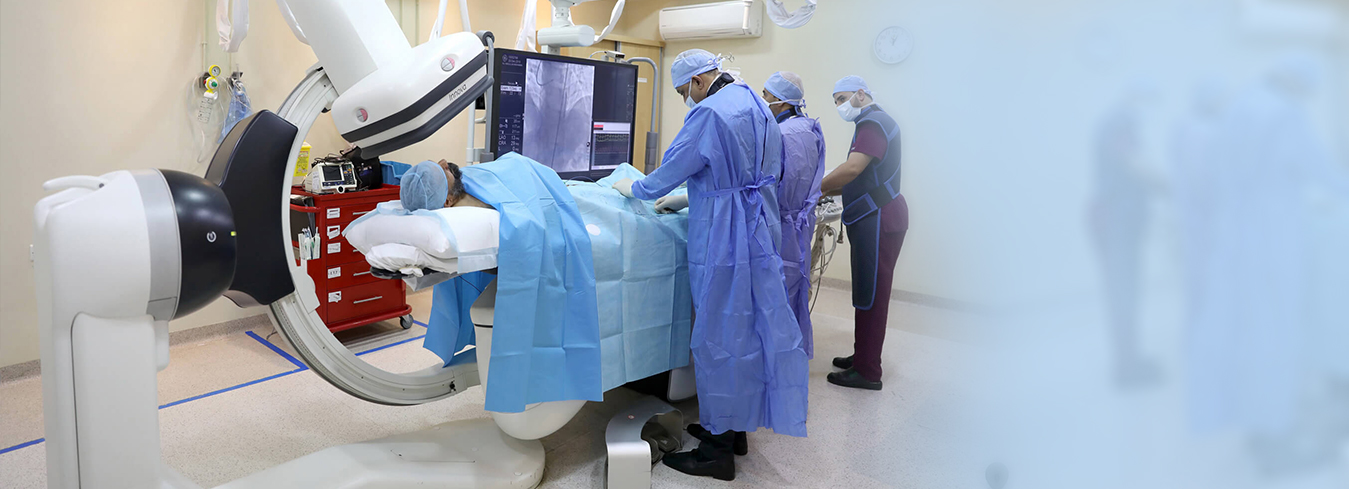
Cerebrospinal Fluid Shunt is used to drain excess CSF fluid in the ventricles of the brain. Accumulation of excess fluid in the brain leads to high pressure causing hydrocephalus. Ventriculoperitoneal (VP) shunt surgery is performed to relieve abnormal pressure in the brain by redirecting cerebrospinal fluid (CSF) to the abdomen. The procedure, conducted under general anesthesia, begins with a small incision in the skull near the hairline. A thin catheter is inserted into one of the brain’s ventricles and routed under the skin to a location behind the ear, where a valve is placed to regulate CSF flow. The tubing is then extended to the abdomen (peritoneum), allowing the fluid to drain and be naturally absorbed by the body. The surgery typically lasts about 90 minutes.
In India, the cost of VP shunt surgery varies depending on factors such as the hospital’s location, the type of shunt used, and case complexity. On average, the procedure, including hospitalization, surgical fees, and post-operative care, costs between ₹80,000 and ₹2,00,000 (approximately $1,000 to $2,500 USD). Read further to explore detailed cost breakdowns, influencing factors, and top specialists in the field.
When do I need a Cerebrospinal Fluid Shunt?
A CSF shunt is typically required in cases of hydrocephalus, where cerebrospinal fluid accumulates abnormally in the brain, leading to increased intracranial pressure. Here are the key symptoms and signs to watch for:
In Infants
- Unusually large head size: Rapid head growth disproportionate to age.
- Bulging fontanelle: Swelling of the soft spot on the top of the head.
- Irritability: Excessive crying or fussiness without a clear cause.
- Feeding difficulties: Poor feeding or difficulty swallowing.
- Excessive sleepiness: Lethargy or reduced alertness.
In Older Children and Adults
- Headaches: Persistent or worsening headaches.
- Nausea and vomiting: Often associated with increased intracranial pressure.
- Visual disturbances: Blurred or double vision.
- Balance and coordination problems: Difficulty walking or unsteadiness.
- Cognitive issues: Memory loss, difficulty concentrating, or personality changes.
- Severe symptoms: Drowsiness, seizures, or loss of consciousness in advanced cases.
In Older Adults (Normal Pressure Hydrocephalus – NPH)
- Walking difficulties: Shuffling gait or difficulty with movement.
- Urinary incontinence: Loss of bladder control.
- Cognitive decline: Symptoms resembling dementia, including memory and reasoning issues.
If you notice these symptoms, particularly in combination or with progressive worsening, seek medical advice promptly. A CSF shunt may be recommended after thorough evaluation and imaging to relieve symptoms and prevent further complications.
What are the factors affecting the cost of Cerebrospinal Fluid Shunt?
Cerebrospinal Fluid shunt surgery is cost effective and affordable treatment. The cost of the treatment is dependent on various factors. Take a look at these factors influencing the cost to plan your treatment journey precisely!
- Type of Hospital
Private hospitals with advanced facilities and personalized care typically charge between ₹6,000 and ₹15,000.
Specialty hospitals renowned for neurosurgery may charge even higher due to their expertise and infrastructure.
- Length of Hospital Stay
A 3-day stay in a standard room may cost around ₹15,000.
Extended stays in the ICU for 10 days with continuous monitoring can exceed ₹11,000 per day, particularly in super-specialty hospitals.
- Severity of the Disease
- Complex cases, such as hydrocephalus caused by tumors or infections, may require additional treatments and prolonged recovery.
- These complexities can increase the overall cost by ₹4,00,000–₹8,00,000 compared to straightforward cases of congenital hydrocephalus.
- Surgeon Fees
- Fees vary significantly based on the surgeon’s expertise and the hospital.
- Highly experienced neurosurgeons at leading institutions may charge in lakhs, while general neurosurgeons in smaller clinics charge less.
- Diagnostic Tests
- Preoperative tests such as MRIs and CT scans are essential and may cost ₹1,500–₹2,000 each in private hospitals.
- Additional tests, including blood work and EEG, can add ₹1,100–₹3,200 to the total cost.
- Extended Hospital Stay
- Complications requiring extended hospital stays beyond the standard recovery period can increase costs.
- A 7-day extension could add approximately ₹10,000 to the bill in private hospitals with high daily rates.
- Medications
- Post-surgical medications such as antibiotics, painkillers, and anticoagulants can cost several thousand rupees.
- A full course of antibiotics may cost ₹5,000, while specialized drugs to prevent complications could increase expenses to ₹15,000 or more.
- Postoperative Care and Complications
- Postoperative needs such as physical therapy or rehabilitation may increase the cost.
- Complications like infections requiring additional surgeries or intensive care can significantly add to the overall expense.
Why choose India for Cerebrospinal Fluid Shunt?
- Better and Affordable : Overall cost of Cerebrospinal Fluid Shunt surgery is dependent on various factors. Comparing the basic cost of the treatment it is approximately one-third of the total cost. It ranges from $ 2,000 to $ 5,000 in India, compared to $20,000 to $25,000 in the USA.
- Highly Experienced Professionals : India is renowned for creating best healthcare professionals. The tough training and long practice makes the clinicians in the country highly skilled!
- Renowned Hospitals : Hospitals like Apollo, Max and Medanta are run by extremely skilled clinicians. They are world clinicians which makes these hospitals stand out in terms of care and treatment provided. Apart from this, Indian hospitals are equipped to serve International patients, provide assistance regarding visa, transpotance support and many more!
- Advance technology : Hospitals in India have greater access to better and advanced technology including robotic assisted surgery, accurate diagnostic tools and precision based therapies.
- Best Post-Operative Care : The treatment plans in India are customised according to the needs of the patients. Here doctors believe in complete results achieved by enhanced post care of the patient. The care plan includes dietary guidance, rehabilitation, mental health support and overall well being of the patient.
What are the various treatment options to drain excess CSF from your brain?
Excess CSF accumulation in the brain, known as hydrocephalus, can cause increased intracranial pressure and lead to various neurological symptoms. Several treatments aim to restore normal CSF flow or reduce the buildup. These are categorized into surgical and non-surgical approaches:
Surgical Treatments
The primary method to drain excess CSF involves creating pathways for its drainage or reabsorbing it into the body.
- Ventriculoperitoneal (VP) Shunt
- Procedure: A catheter system is inserted into the brain’s ventricles, connected to a valve, and tunneled under the skin to the peritoneal cavity.
- Function: Redirects excess CSF to the abdomen, where it is absorbed by the body.
- Advantages: Effective in long-term management.
- Risks: Infection, shunt malfunction, and overdrainage.
- Ventriculoatrial (VA) Shunt
- Procedure: Similar to the VP shunt, but the catheter directs CSF into the right atrium of the heart.
- Use Case: Typically chosen when the peritoneal cavity cannot absorb CSF effectively.
- Risks: Infection and complications related to the heart.
- Lumboperitoneal (LP) Shunt
- Procedure: A catheter is inserted into the lumbar spine and connected to the peritoneal cavity.
- Advantages: Avoids direct manipulation of the brain.
- Challenges: Risk of low-pressure headaches and overdrainage.
- Endoscopic Third Ventriculostomy (ETV)
- Procedure: An endoscope creates an opening in the third ventricle floor to allow CSF flow to natural absorption sites.
- Advantages: No implanted hardware.
- Best Candidates: Patients with obstructive hydrocephalus.
- Risks: Infection and the potential for closure of the opening.
- Ventricular Drainage (External Ventricular Drain or EVD)
- Procedure: A temporary catheter system drains CSF externally.
- Use Case: Used in emergency settings or post-neurosurgical cases.
- Monitoring: Strict sterile protocols to prevent infection.
Non-Surgical Treatments
Non-invasive options are typically supportive and may complement surgical methods.
- Medications
- Diuretics (e.g., Acetazolamide, Furosemide): Reduce CSF production by inhibiting enzymes or altering ion transport.
- Use Case: Idiopathic intracranial hypertension or as a temporary measure in specific hydrocephalus types.
- Limitations: Ineffective for severe cases requiring drainage.
- Lumbar Puncture (Spinal Tap)
- Procedure: A needle is used to extract CSF from the spinal canal.
- Use Case: Diagnostic or temporary relief in conditions like pseudotumor cerebri.
- Risks: Headache, infection, or nerve irritation.
- Alternative Therapies
In rare cases, lifestyle adjustments, such as weight loss and reduced salt intake, may be advised to manage idiopathic intracranial hypertension.
Emerging and Experimental Treatments
Advances in medical technology are introducing newer approaches:
- Programmable Shunts: Allow external adjustments to the shunt’s flow settings without additional surgery.
- Minimally Invasive Endoscopic Techniques: Improving outcomes and reducing recovery time.
- Gene Therapy and Molecular Interventions: Under research for managing CSF dynamics at a cellular level.
Supportive and Rehabilitation Care
Post-treatment rehabilitation is crucial:
- Physical Therapy: To address neurological deficits.
- Psychological Support: Coping strategies for long-term conditions.
- Regular Monitoring: To detect complications early, such as shunt malfunctions or infections.
Why choose us?
At Al Afiya MediTour, we strive to make your medical journey seamless and stress-free with comprehensive support at every stage. Our key services include:
- Free Medical Counseling: We help you make informed decisions with expert
- opinions and transparent cost estimates for your treatment.
- Pre-Treatment Support: Collaborating with top hospitals and specialists, we review your case and recommend tailored treatment options, providing a detailed cost breakdown.
- Travel Assistance: From visa applications and FRRO formalities to flight bookings and insurance, we handle all logistics, ensuring a hassle-free experience.
- Tele/Video Consultations: Connect with leading specialists remotely to discuss your case before traveling.
- Free Translation Services: Seamless communication is ensured with professional translators.
Our services extend beyond treatment:
- Post-Treatment Follow-Ups: We provide ongoing support via video consultations and securely store your medical records electronically for future reference.
- Holistic Care: Our team is dedicated to addressing all your concerns, allowing you to focus on recovery.
With Al Afiya MediTour, you can trust us to deliver personalized, end-to-end care for your medical journey.
Top Hospitals for Cerebrospinal Fluid Shunt
Below are the list of the top hospitals that are known for Cerebrospinal Fluid Shunt procedures:

Jaypee Hospital



Established in: 2014
Number of Beds: 1200
Multi Specialty
Location: Noida


Jaslok Hospital Mumbai
Established in: 1973
Number of Beds: 350
Multi Specialty
Location: Mumbai
Manipal Hospital Bangalore
Established in: 1991
Number of Beds: 600
Multi Specialty
Location: Bangalore
HCG Cancer Centre Ahmedabad
Established in: 2012
Number of Beds: 75
Single Specialty
Location: Ahmedabad
Venkateshwar Dwarka, Delhi
Established in: 2016
Number of Beds: 325
Super Specialty
Location: New Delhi

Max Hospital, Gurgaon
Established in: 2007
Number of Beds: 104
Super Specialty
Location: Gurugram
Fortis Hospital, Bangalore (Bannerghatta Road)
Established in: 2006
Number of Beds: 284
Multi Specialty
Location: Bangalore
Lilavati Hospital Research Centre Mumbai
Established in: 1997
Number of Beds: 314
Multi Specialty
Location: Mumbai
Wockhardt Hospital, Mumbai
Established in: 2014
Number of Beds: 350
Multi Specialty
Location: Mumbai
Aster Prime Hospital, Hyderabad
Established in: 2006
Number of Beds: 250
Multi Specialty
Location: Hyderabad
Our Services
Transparent • Professional • Without Hassles
Compare Cost Estimates
Get detailed cost breakdowns and compare prices across multiple hospitals
Book Doctor Appointment
Schedule appointments with top specialists at your convenience
Hospitalisation Support
Complete assistance from admission to discharge with dedicated care
Video Consultation
Consult doctors online or in-person based on your preference
Travel Assistance
Visa support, flight booking, and airport pickup services
Language Interpreter
Multilingual support to ensure clear communication
Accommodation
Comfortable stay arrangements near the hospital
24/7 Support
Round-the-clock assistance for all your medical needs
Top Cerebrospinal Fluid Shunt Specialists

Dr. Amit Srivastava
Delhi4.0
Experience: 26
Education: MBBS , MS, MCh
Get a free consultancy
Dr. Rana Patir
Gurgaon, India4.0
Experience: 32
Education: MBBS, MS, MCh, Fellowship
Get a free consultancy
Dr. Himanshu Arora
Faridabad, India4.0
Experience: 24
Education: MBBS , DNB, Fellowship
Get a free consultancy
Dr. Sanjeev Srivastava
Gurgaon4.0
Experience: 22
Education: MBBS , DNB, MRCS
Get a free consultancy
Dr. Arun Saroha
Gurgaon, India4.0
Experience: 29
Education: MBBS, MS, MCh
Get a free consultancy
Dr. Manish Mahajan
Gurugram4.0
Experience: 23
Education: MBBS, MD, DNB
Get a free consultancy
Dr. Madhukar Bharwaj
Delhi4.0
Experience: 19
Education: MBBS, DNB, MNAMS
Get a free consultancy
DR. Harnarayan Singh
Gurugram4.0
Experience: 20
Education: MBBS, MS, M.Ch
Get a free consultancy
Dr. Amitabh Gupta
Saket, India4.0
Experience: 26
Education: MBBS, MS, MCh
Get a free consultancy
Dr. Rohan Sinha
India4.0
Experience: 16 years of experience
Education: MBBS, MS, MCh, Fellowship
Get a free consultancy
Get Free Consultation
Fill out the form below and our team will get back to you shortly
Treatment Costs in India
What makes Cerebrospinal Fluid Shunt the best treatment option?
A cerebrospinal fluid (CSF) shunt is often considered the best treatment option for managing hydrocephalus due to its ability to provide long-term and effective drainage of excess CSF, significantly alleviating symptoms and preventing complications associated with elevated intracranial pressure. Compared to non-surgical methods like medications or lumbar punctures, which offer temporary relief and are limited in severe cases, shunts provide a permanent solution by continuously redirecting CSF to other parts of the body, such as the peritoneal cavity or the heart, for reabsorption. While procedures like endoscopic third ventriculostomy (ETV) are minimally invasive and avoid implanted hardware, they are only suitable for specific cases, such as obstructive hydrocephalus. In contrast, shunts are versatile, applicable to a broader range of hydrocephalus types, including both communicating and non-communicating forms. Although risks such as infection and mechanical failure exist, advancements in programmable valves and shunt designs have enhanced their safety and functionality, making them the most reliable and widely used option in many clinical scenarios. Here is the cost difference of various treatments!
| Treatment Name | Maximum Price | Maximum Price |
| VP Shunting programmable Device | Rs.186480 | Rs.248640 |
| VP Shunting | Rs.133200 | Rs.177600 |
| ETV Shunt | Rs. 200000 | Rs.320000 |
| Choroid Plexus Cauterization | Rs. 200000 | Rs.320000 |
Frequently Asked Questions
FAQ’S
- What is the duration of the cerebrospinal fluid shunt surgery?
The duration of cerebrospinal fluid (CSF) shunt surgery typically ranges from 1 to 2 hours, depending on factors such as the patient’s condition and the complexity of the procedure. This includes the time needed for anesthesia, creating the surgical pathways, and positioning the shunt. While the surgery itself is relatively short, additional time is required for preoperative preparation and postoperative observation to ensure the patient’s safety and recovery.
- Is it safe for children to undergo cerebrospinal fluid shunt?
Cerebrospinal fluid (CSF) shunt surgery is generally safe for children and is a common treatment for hydrocephalus. While complications like infections, blockages, or malfunctions can occur, advancements in surgical techniques and shunt technology have improved outcomes. Regular follow-ups and prompt medical attention for issues ensures safety and effectiveness. Most children recover well, leading to significant improvements in their quality of life and developmental progress.
- Which are the best hospitals in India to get cerebrospinal shunt surgery?
India has several renowned hospitals for cerebrospinal shunt surgery, offering advanced neurosurgical care. Top choices include All India Institute of Medical Sciences (AIIMS) in New Delhi, Apollo Hospitals in Chennai, Fortis Hospitals, and Narayana Health in Bengaluru. These institutions are equipped with experienced neurosurgeons and state-of-the-art facilities. Other notable centers include Medanta in Gurugram and Christian Medical College (CMC) in Vellore, known for their excellence in neurosurgery and patient care.
- What are the complications of excess CSF fluid in your brain?
Excess cerebrospinal fluid (CSF) in the brain, or hydrocephalus, can lead to severe complications due to increased intracranial pressure. Common issues include headaches, nausea, vision problems, and motor dysfunction such as poor coordination or difficulty walking. Cognitive impairments like memory loss or developmental delays may also occur, especially in children. If untreated, it can result in seizures, brain damage, or life-threatening conditions such as coma or death. Early intervention is crucial.
- What are the precautions taken after the surgery?
After cerebrospinal fluid (CSF) shunt surgery, precautions include monitoring for signs of shunt malfunction or infection, such as headaches, fever, or vomiting. Proper wound care and hygiene are essential to prevent infections. Physical activities should be limited initially, with gradual resumption as advised by the doctor.