Coronary Artery Bypass Graft (CABG) Surgery Cost
Your health, our priority – We offer you the finest treatment with personalized care that goes beyond treatment. Reach out to us today.
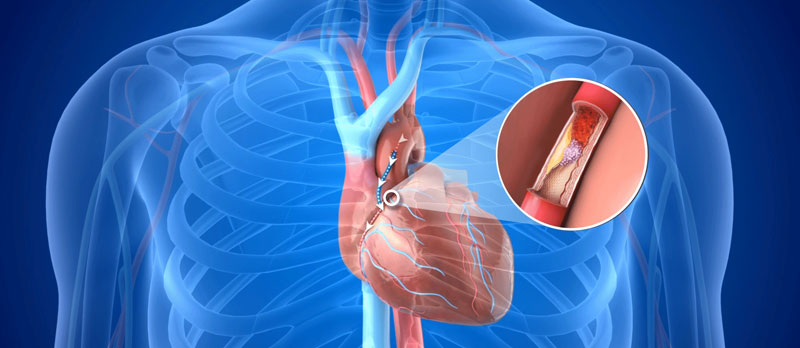
What is the Cost of Coronary Artery Bypass Graft (CABG) Surgery in India?
Coronary Artery Bypass Graft (CABG) Surgery Cost in India can start from 4,000 USD. It can also go up to 7,000 USD or higher, depending on the patient’s condition and the location or hospital one chooses. Below is a cost estimation comparison with other countries.
| Country | Average Cost (USD) | Maximum Cost (USD) |
| India | $4,500 | $7,000 |
| United States | $40,000 | $80,000+ |
| United Kingdom | $25,000 | $45,000+ |
| Singapore | $18,000 | $30,000+ |
| Thailand | $11,000 | $17,000+ |
| UAE | $15,000 | $25,000+ |
Note: CABG in India is nearly 5–10 times more affordable compared to Western countries, while maintaining global healthcare standards.
Cost of CABG Surgery in Major Indian Cities
| City | Cost Range (INR) | Approx. Cost (USD) |
| Delhi NCR | ₹3,50,000 – ₹6,00,000 | $4,200 – $7,200 |
| Mumbai | ₹3,75,000 – ₹6,50,000 | $4,500 – $7,800 |
| Bangalore | ₹3,60,000 – ₹6,20,000 | $4,300 – $7,500 |
| Chennai | ₹3,40,000 – ₹6,00,000 | $4,100 – $7,200 |
| Hyderabad | ₹3,50,000 – ₹5,80,000 | $4,200 – $7,000 |
| Kolkata | ₹3,20,000 – ₹5,50,000 | $3,900 – $6,700 |
Factors Influencing CABG Surgery Costs in India
Various factors can impact the cost of Coronary Artery Bypass Graft (CABG) Surgery in India. Below are some of the important points that one should be aware of:
- Surgery type: single, double, or triple bypass; this can impact the cost of the surgery.
- Hospital Category: Government, private, or multispecialty hospitals with international accreditation can impact the cost of the surgery.
- Expertise of the Surgeon: Cardiothoracic surgeons with extensive training can charge more.
- The patient’s health condition: Treatment may become more complicated if there are co-existing diseases, such as diabetes, obesity, or hypertension.
- Post-Surgery Care: Extended hospital stays, drugs, physiotherapy, and intensive care unit stays might raise total costs.
What is Coronary artery disease?
Coronary artery disease widely known as CAD is an artery that supplies blood to your heart. CADs are grouped under cardiovascular disease which according to WHO accounts for more than 32% of deaths worldwide. Coronary artery disease (CAD) occurs when the inner lining of the arteries becomes damaged due to the buildup of plaque on the vessel walls. This plaque accumulation causes the arteries to harden and narrow, a condition known as atherosclerosis. As a result, blood flow is restricted, putting extra strain on the heart and potentially leading to a heart attack.
Advantages of CABG
- Angina is abolished or greatly reduced in -90% of patients after complete revascularization.
- Survival may be improved by operation in patients with stenosis of the left main coronary artery as well as in patients with significant obstruction of the proximal left anterior descending coronary artery
- Survival may also be improved in the following patients: (a)patients with obstructive CAD who have survived sudden cardiac death; (b) patients who have undergone previous CABG, especially of a graft supplying the left anterior descending coronary artery, and (c) patients with recurrent stenosis.
Opting for a surgical treatment can be challenging. Talk to your healthcare provider about the severity of coronary heart disease. Multiple blockage needs surgical intervention if medicines have failed to show improvement.
CAB can also lower the risk of future heart attacks, improve heart function, and enhance your overall quality of life. For some patients, especially those with complex blockages or diabetes, CABG has been shown to provide better long-term outcomes compared to other treatments. Ultimately, CABG may offer a better chance of a longer, healthier life by restoring adequate blood flow to your heart.
Who needs to undergo CABG Surgery?
CABG is a treatment option for individuals with clogged arteries.
- Coronary artery disease is classified into two types: arteriosclerosis, which is characterized by the thickening and calcification of the coronary artery, resulting in stenosis, and atherosclerosis, which is the formation of yellowish plaques of cholesterol inside the lumen of the artery, obstructing it.
- Ventricular Dysfunction: CABG is also performed on individuals who have developed left ventricular muscular weakness, which lowers the heart’s ejectile fraction.
- Heart attack: When a patient presents with sudden deadly cardiac arrest (heart attack), CABG is occasionally carried out as an emergency treatment.
What to expect before and after the surgery?
Your physician may request that you have a chest X-ray, blood tests, an EKG (electrocardiogram), cardiac catheterization, an echocardiography, and a coronary angiography performed in order to screen for coronary heart disease.
Your doctor will advise you on what you can eat and drink, what medications to take, and what activities to avoid. Most likely, the day of the surgery will also be the day you are admitted to the hospital. The procedure will be carried out that same day or the day following if the test findings indicate that you have significant blockages in your coronary arteries.
During Surgery
Anesthesia & Preparation: To guarantee that the patient is pain-free and asleep throughout the surgery, general anesthesia is administered.
Incision: To reach the heart, a cut is made in the chest, and the sternum, or breastbone, is delicately opened.
Heart-Lung Machine (if utilized): In conventional CABG, the heart is momentarily stopped, and the body’s blood and oxygen pumping is handled by a heart-lung machine. (The heart continues to beat during “off-pump” CABG as the surgeon performs the procedure.)
Graft Harvesting: A healthy blood vessel (graft) is extracted from another area of the body, usually the arm, chest, or leg vein.
Multiple Grafts (if necessary): The surgeon may do single, double, triple, or quadruple bypasses, depending on the blockages.
Closing the Chest: After blood flow has been restored, wires are used to close the breastbone, and the incision is either stapled or sewn.
ICU recovery: Before being moved to a standard ward, the patient is observed in the intensive care unit (ICU) for one to two days.
After Surgery
You will be moved to the recovery area following the CABG procedure, and then you will be transferred to the intensive care unit (ICU) for close observation. Your general health, the outcome of the CABG procedure, and your post-operative treatment will all have a significant impact on how you feel.
After standard bypass surgery, it takes 6–12 weeks to fully recuperate; alternative CABG procedures require less time. After recuperating from CABG surgery, the majority of patients do feel better. Your physician will give you detailed instructions on how to heal and when to resume your regular job. You will be given detailed instructions on how to maintain your overall health and incision following CABG surgery.
Why Should You Have Your CABG Surgery in an Indian Hospital?
- Hospitals in India are nowadays on par with those in America and Europe in terms of technology.
- International patients seeking off-pump heart surgery can be assured of improved clinical treatment thanks to the skilled medical team in Indian facilities.
- Non-invasive tests such as the Holter test, Doppler, ECG, stress echo, and echocardiography are available.
- Fully furnished recovery and intensive care units
- Modern equipment
- The newest technology in a modern setting.
Top Hospitals for Coronary Artery Bypass Graft (CABG) Surgery Cost
Below are the list of the top hospitals that are known for Coronary Artery Bypass Graft (CABG) Surgery Cost procedures:

Asian Institute of Medical Sciences



Established in: 2010
Number of Beds: 425
Super Specialty
Location: Faridabad


Sir Ganga Ram Hospital, Delhi
Established in: 1954
Number of Beds: 575
Multi Specialty
Location: New Delhi
Kokilaben Dhirubhai Ambani Hospital Mumbai
Established in: 2008
Number of Beds: 750
Multi Specialty
Location: Mumbai
MGM Hospital, chennai
Established in: 2016
Number of Beds: 400
Multi Specialty
Location: Chennai
Zydus Hospital Ahmedabad
Established in: 2015
Number of Beds: 550
Super Specialty
Location: Ahmedabad

Fortis Vasant Kunj
Established in: 1996
Number of Beds: 162
Multi Specialty
Location: New Delhi
Care Hospitals, Banjara Hills, Hyderabad
Established in: 2000
Number of Beds: 435
Multi Specialty
Location: Hyderabad

Fortis Escorts Hospital, Faridabad
Established in:

Jaypee Hospital
Established in: 2014
Number of Beds: 1200
Multi Specialty
Location: Noida
Gleneagles Global Hospital Chennai
Established in: 1999
Number of Beds: 1000
Multi Specialty
Location: Chennai
Our Services
Transparent • Professional • Without Hassles
Compare Cost Estimates
Get detailed cost breakdowns and compare prices across multiple hospitals
Book Doctor Appointment
Schedule appointments with top specialists at your convenience
Hospitalisation Support
Complete assistance from admission to discharge with dedicated care
Video Consultation
Consult doctors online or in-person based on your preference
Travel Assistance
Visa support, flight booking, and airport pickup services
Language Interpreter
Multilingual support to ensure clear communication
Accommodation
Comfortable stay arrangements near the hospital
24/7 Support
Round-the-clock assistance for all your medical needs
Top Coronary Artery Bypass Graft (CABG) Surgery Cost Specialists
Dr. Sri Phani Bhargavi Dhulipudi
Hyderabad4.0
Experience: 15
Education: MBBS, DNB, Fellowship
Get a free consultancy
Dr. AL Narayanan
Chennai, India4.0
Experience: 40
Education: MBBS, MD, DM
Get a free consultancy
Dr. Sanjay Gupta
Delhi4.0
Experience: 38
Education: MCh , MS , MBBS
Get a free consultancy
Dr. Sunil Modi
Delhi4.0
Experience: 48
Education: MBBS, MD, DM, MRCP, Fellowship
Get a free consultancy
Dr. Amit Kumar Chaurasia
4.0
Experience: 30
Education: MBBS ,MD ,DM ,Fellowship
Get a free consultancy
Dr. Naresh Kumar Goyal
Delhi4.0
Experience: 20
Education: MBBS, MD, DM
Get a free consultancy
Dr. Dinesh Kumar Mittal
Delhi4.0
Experience: 30
Education: MBBS , MS, MCh
Get a free consultancy
Dr. Amit Mittal
Delhi4.0
Experience: 27
Education: MBBS, MD, DM
Get a free consultancy
Dr. Krishna Subramony Iyer
Delhi4.0
Experience: 46
Education: MBBS, MS, M.Ch, Fellowship
Get a free consultancy
Dr. Satinder Kumar Jain
Delhi4.0
Experience: 46
Education: MBBS , MS, MCh, Fellowship
Get a free consultancy
Get Free Consultation
Fill out the form below and our team will get back to you shortly
Frequently Asked Questions
Frequenty Ask Questions
- Why do young people experience heart attacks?
Young people can experience heart attacks due to a combination of lifestyle factors, including poor diet, physical inactivity, smoking, and stress, which contribute to obesity, hypertension, and other cardiovascular risks. Additionally, rising rates of obesity and metabolic syndrome in younger populations, along with genetic predispositions or family history of heart disease, further increase their vulnerability. These factors can lead to early onset of conditions traditionally associated with older age, such as atherosclerosis and high cholesterol, ultimately raising the risk of heart attacks in young individuals.
- What are the risk factors of coronary artery diseases?
Coronary artery disease (CAD) is influenced by several risk factors, including unhealthy lifestyle choices such as poor diet, physical inactivity, smoking, and excessive alcohol consumption, all of which contribute to obesity, high blood pressure, and unhealthy cholesterol levels. Medical conditions like hypertension, high cholesterol, diabetes, and obesity further increase the risk of CAD by promoting plaque buildup in the arteries. Family history and genetics also play a significant role, particularly if close relatives developed CAD at an early age.
- Can you live a long life with coronary artery diseases?
Yes, it is possible to live a long life with coronary artery disease (CAD) if it is properly managed. While CAD is a serious condition, advancements in medical treatment, lifestyle modifications, and early detection can significantly improve outcomes. Patients with CAD can manage their condition through medications, regular physical activity, a heart-healthy diet, and by avoiding smoking and excessive alcohol consumption.
- How much blockage is normal?
In healthy individuals, the coronary arteries should have minimal to no blockage, as even small amounts of narrowing can impact blood flow to the heart. Generally, a blockage of less than 20% is considered normal and not significant enough to cause symptoms or require intervention. However, when blockages exceed 50%, they can begin to impair blood flow and increase the risk of heart-related symptoms or events.
- What is the best treatment for coronary artery diseases?
The best treatment for coronary artery disease (CAD) involves a combination of lifestyle modifications, medications, and, in some cases, interventional procedures. Lifestyle changes are foundational and include adopting a heart-healthy diet, engaging in regular physical activity, quitting smoking, and managing stress. Medications, such as statins to lower cholesterol, aspirin to prevent blood clots, and beta-blockers to reduce heart workload, are commonly prescribed to manage symptoms and prevent progression.