Bariatric Surgery Cost
Your health, our priority – We offer you the finest treatment with personalized care that goes beyond treatment. Reach out to us today.
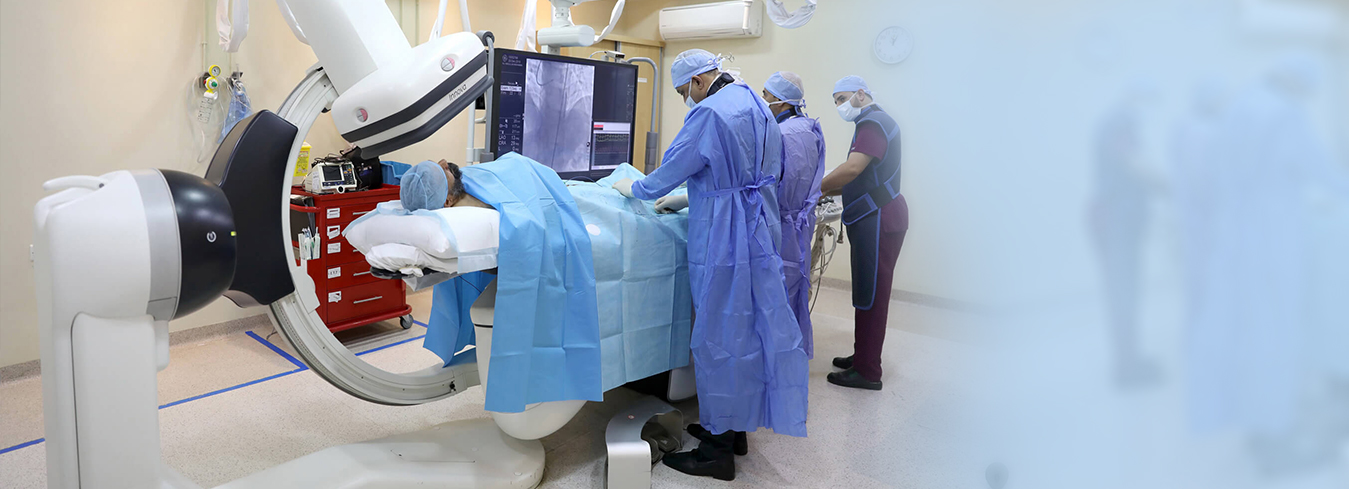
Bariatric surgery is a surgical procedure that alters the digestive system to decrease calorie intake and absorption, resulting in weight loss and improved health. The cost of bariatric surgery in India can range from 3,000 USD to 8,000 USD or more, depending on the type of procedure and the type of hospital or location.
Cost of Bariatric Surgery in India
| Type of Surgery | Cost Range (INR) | Approx. Cost (USD) |
| Sleeve Gastrectomy | ₹2,50,000 – ₹6,00,000 | $3,000 – $7,500 |
| Gastric Bypass (Roux-en-Y) | ₹3,50,000 – ₹7,00,000 | $5,000 – $9,000 |
| Mini Gastric Bypass | ₹3,00,000 – ₹5,00,000 | $5,500 – $8,500 |
| Biliopancreatic Diversion (Duodenal Switch) | ₹4,00,000 – ₹6,00,000 | $8,000 – $12,000 |
| Adjustable Gastric Banding (Lap-Band) | ₹2,25,000 – ₹5,00,000 | ~$3,000 – $6,000 |
| Robotic Bariatric Surgery | ₹4,00,000 – ₹6,50,000 | ~$5,000 – $8,600 |
Note: The above prices is only an estimate for the cost of bariatric surgery in India. The precise cost breakdown of weight loss surgery may differ depending on the type of surgery and the institution selected.
Factors that can Affect the Cost of Bariatric Surgery in India
Bariatric surgery cost in India can vary depending on various factors, which are listed as follows:
Hospital Type: The cost of bariatric surgery in India can be greatly impacted by the healthcare institution you choose, whether it is public or private. For example, a super specialty private hospital could cost more than a small clinic or a public (government) hospital. Additionally, the cost of bariatric surgery in India may be impacted by hospitals with top-notch amenities, including ICUs, specialist equipment, high-tech cameras, room facilities, and more.
Patient conditions: One major factor influencing the cost of bariatric surgery, especially in medical circumstances, is the state of the patient. Due to a prolonged hospital stay, a patient with conditions like diabetes, hypertension, or any heart or lung disease may have an impact on the total procedure expenses.
Surgical procedure: The price may vary depending on the type of weight-loss surgery, such as a gastric bypass or sleeve. The total cost of these procedures may differ depending on a number of variables, such as the complexity, length, and surgical needs.
Surgeon expertise: The cost of bariatric surgery in India is significantly influenced by the experience and skill of the surgeon. A surgeon with a strong track record of success and extensive training may bill extra for their services. Their competence and skillful handling of complex issues ensure a higher success rate.
Overview of Bariatric Surgery
Bariatric surgery or gastric bypass is a type of weight-loss surgery often opted by patients to prevent life-threatening diseases caused by excessive weight. It is also known as metabolic surgery which makes changes in your digestive system to help lose weight.
The surgery is for patients with extreme obesity, body mass index over 40 or higher. Extreme weight is associated with complex health problems like type 2 diabetes mellitus, high blood pressure, sleep apnea and cardiac disorders. The guidelines laid by the medical association need to be met to qualify for bariatric surgery.
It offers several advantages but success lies in effective management and post-care. Diet and exercise can effectively improve the results of bariatric surgery. Overcome the barriers by not only reducing food intake (restrictive methods like gastric banding or sleeve gastrectomy) but also altering the body’s hormonal environment (like with gastric bypass), promoting long-term weight loss and improvement of obesity-related conditions.
Why do I need bariatric surgery?
Bariatric surgery is done after enough efforts from your side to lose weight. The surgery reduces the risk of certain diseases.
Certain Cancers (Breast, Endometrial, and Prostate Cancer)
- Mechanism: Excess fat tissue produces higher levels of oestrogen, particularly in women. Elevated oestrogen levels are linked to an increased risk of cancers such as breast and endometrial cancer. Additionally, obesity-related inflammation and insulin resistance can promote cancer growth, particularly in hormonally sensitive tissues.
- Benefit of Surgery: Bariatric surgery reduces body fat and helps normalise hormone levels, thus lowering the risk for these cancers.
Heart Disease and Stroke
- Mechanism: Obesity increases the risk of atherosclerosis (plaque buildup in the arteries), hypertension (high blood pressure), and elevated cholesterol. These factors lead to coronary artery disease, heart attacks, and strokes. Inflammation and insulin resistance, common in obesity, further contribute to cardiovascular risk.
- Benefit of Surgery: Bariatric surgery can dramatically improve lipid profiles (lower cholesterol and triglycerides), reduce blood pressure, and improve overall heart function. This decreases the risk of heart attacks and strokes.
High Blood Pressure (Hypertension)
- Mechanism: Excess body weight increases the workload on the heart and blood vessels, leading to increased blood pressure. Hormonal imbalances, such as increased leptin and insulin levels, also contribute to this condition.
- Benefit of Surgery: By reducing body fat and improving insulin sensitivity, bariatric surgery helps lower blood pressure, often allowing patients to reduce or discontinue medications.
High Cholesterol Levels
- Mechanism: Obesity is linked to dyslipidemia (abnormal cholesterol levels), characterized by elevated low-density lipoprotein (LDL) cholesterol, low high-density lipoprotein (HDL) cholesterol, and high triglycerides. This condition accelerates the risk of cardiovascular disease.
- Benefit of Surgery: Significant weight loss can normalize cholesterol levels by reducing LDL and triglycerides while raising HDL cholesterol, contributing to better cardiovascular health.
Nonalcoholic Fatty Liver Disease (NAFLD)
- Mechanism: NAFLD is the accumulation of excess fat in the liver, which can progress to NASH, where the liver becomes inflamed and damaged. Obesity, insulin resistance, and high levels of free fatty acids promote fat deposition in the liver.
- Benefit of Surgery: Weight loss through bariatric surgery improves liver function and reduces fat accumulation in the liver. It may also prevent the progression of NASH to more serious conditions like liver cirrhosis or liver cancer.
Sleep Apnea
- Mechanism: Obesity leads to excess fat around the neck and upper airway, which can obstruct breathing during sleep, causing sleep apnea. The condition is linked to severe complications like hypertension, heart disease, and daytime fatigue.
- Benefit of Surgery: Weight loss reduces fat around the airway, significantly improving or resolving sleep apnea in most patients.
Type 2 Diabetes
- Mechanism: Obesity is the leading cause of type 2 diabetes, characterized by insulin resistance and inadequate pancreatic insulin production. Excess fat tissue releases free fatty acids and inflammatory cytokines that impair insulin action.
- Benefit of Surgery: Bariatric surgery has profound effects on insulin sensitivity and glucose metabolism. Many patients experience remission of type 2 diabetes within weeks after surgery due to the weight loss and hormonal changes that surgery induce.
Bariatric surgery is a powerful tool to reduce obesity and associated diseases by directly addressing both the mechanical and hormonal imbalances that contribute to these life-threatening conditions.
What are the types of bariatric surgery performed in India?
In India, several types of bariatric surgeries are performed to help individuals with severe obesity achieve significant and lasting weight loss. These procedures are typically classified into restrictive, malabsorptive, or a combination of both. Here are the main types of bariatric surgeries performed:
Roux-en-Y Gastric Bypass (RYGB): This is one of the most common and effective procedures in India. It involves creating a small pouch from the stomach and connecting it directly to the small intestine, bypassing a portion of the digestive tract. This limits food intake and reduces nutrient absorption, promoting significant weight loss. It is particularly effective in resolving diabetes and other metabolic disorders.
Sleeve Gastrectomy: In this procedure, about 75-80% of the stomach is surgically removed, leaving a small, tube-shaped stomach or “sleeve.” The reduced stomach size limits food intake and significantly reduces the production of the hunger hormone ghrelin, helping patients lose weight. Sleeve gastrectomy is widely performed in India due to its lower complication rates compared to other surgeries.
Adjustable Gastric Banding (AGB): Also known as “lap band” surgery, this procedure involves placing an adjustable silicone band around the upper part of the stomach to create a small pouch. The band restricts the amount of food that can be eaten at one time. It is a reversible procedure, but its use has declined in India due to less predictable weight loss outcomes compared to other bariatric surgeries.
Biliopancreatic Diversion with Duodenal Switch (BPD/DS): This is a more complex procedure that combines both restrictive and malabsorptive techniques. A portion of the stomach is removed (similar to sleeve gastrectomy), and the small intestine is rearranged to bypass a large portion of it, reducing the absorption of calories and nutrients. It is highly effective for weight loss but is less commonly performed in India due to its higher risk of complications.
Mini Gastric Bypass (MGB): A relatively newer procedure in India, the mini gastric bypass involves creating a long, narrow stomach pouch and connecting it to a loop of the small intestine, bypassing a portion of the digestive tract. It is less invasive than RYGB but still provides effective weight loss and metabolic improvements, especially in individuals with type 2 diabetes.
These surgeries are performed in leading hospitals across India, offering patients effective solutions for managing severe obesity and its related health conditions.
Post-operative Nutrition and Management
After bariatric surgery, nutrition becomes a key element of long-term success. While it’s natural to wonder if you can return to “normal food,” it’s essential to redefine what normal means in the context of your new lifestyle. The focus should shift to nutrient-dense, smaller portions to ensure that your body gets the vitamins, minerals, and protein it needs while adjusting to the smaller stomach capacity.
Bariatric surgery decreases the portion of your regular meals. The challenge is to complete your daily nutrition. Right after the surgery, your diet will include more liquids to prevent dehydration and protein to build the body muscle. This helps your digestive system heal and adjust to the changes from surgery. Each phase emphasises high-protein, low-sugar, and low-fat options. As time passes, you can focus on other nutrient requirements such as minerals and vitamins. Nutrition after the surgery is a game of moderation.
Since your stomach can only hold small amounts of food, prioritising protein is crucial. Protein helps with healing, muscle preservation, and overall energy levels. Avoid foods that offer little nutritional value, like sugary snacks, fried foods, and soda. These can lead to nutritional deficiencies and jeopardise your weight loss goals.
The journey doesn’t end with the surgery—it’s a lifelong commitment to healthy eating habits. Regular meals with balanced portions, mindful eating, and an emphasis on nutrient-dense foods will help you achieve and maintain your weight loss goals while supporting overall health.
Conclusion
For obese patients, bariatric surgery is a life-changing way to enhance their quality of life. Surgeons reroute the patient’s digestive tract in order to help them lose weight. For those aiming for a slender figure, this surgery may be a hope because to its highly qualified surgeons and first-rate facilities.
Nonetheless, it is vital to comprehend the numerous bariatric surgery treatments, their costs, and influencing factors in order to make an informed choice and prevent needless expenses.
AI-Afiya Medi Tour helps patients to find the best possible treatment, keeping in mind the cost and care you desire! Talk to our experts via clicking on the button on the website.
Top Hospitals for Bariatric Surgery Cost
Below are the list of the top hospitals that are known for Bariatric Surgery Cost procedures:

Kauvery hospital, Alwarpet



Established in: 2012
Number of Beds: 300
Multi Specialty
Location: Chennai

Manipal Hospital Bangalore
Established in: 1991
Number of Beds: 600
Multi Specialty
Location: Bangalore
Fortis Hospital, Shalimar Bagh
Established in: 2010
Number of Beds: 262
Multi Specialty
Location: New Delhi
MIOT International Hospital, Chennai
Established in: 1999
Number of Beds: 1000
Multi Specialty
Location: Chennai, India

Medistanbul Hospital, Istanbul
Established in:
Number of Beds: 100
Multi Specialty
Location: Sultangazi
Gleneagles Global Hospital Parel Mumbai
Established in: 1996
Number of Beds: 450
Multi Specialty
Location: Mumbai
Jaslok Hospital Mumbai
Established in: 1973
Number of Beds: 350
Multi Specialty
Location: Mumbai
Zydus Hospital Ahmedabad
Established in: 2015
Number of Beds: 550
Super Specialty
Location: Ahmedabad
Continental Hospitals Hyderabad
Established in: 2013
Number of Beds: 750
Super Specialty
Location: Hyderabad
Venkateshwar Dwarka, Delhi
Established in: 2016
Number of Beds: 325
Super Specialty
Location: New Delhi
Our Services
Transparent • Professional • Without Hassles
Compare Cost Estimates
Get detailed cost breakdowns and compare prices across multiple hospitals
Book Doctor Appointment
Schedule appointments with top specialists at your convenience
Hospitalisation Support
Complete assistance from admission to discharge with dedicated care
Video Consultation
Consult doctors online or in-person based on your preference
Travel Assistance
Visa support, flight booking, and airport pickup services
Language Interpreter
Multilingual support to ensure clear communication
Accommodation
Comfortable stay arrangements near the hospital
24/7 Support
Round-the-clock assistance for all your medical needs
Top Bariatric Surgery Cost Specialists

Dr. Rekha Thakur
4.0
Experience: 19 years of clinical experience
Education: MBBS, MS (OBS & GYN)
Get a free consultancy
Dr. V.S. Mehta
Gurugram4.0
Experience: 38
Education: MBBS , MS, MCh, Fellowship
Get a free consultancy
Dr. Pradeep Chowbey
Delhi4.0
Experience: 47
Education: MBBS , MS , MNAMS
Get a free consultancy
Dr. Ved Prakash
Faridabad, India4.0
Experience: 16
Education: MBBS , MS , Fellowship
Get a free consultancy
Get Free Consultation
Fill out the form below and our team will get back to you shortly
Frequently Asked Questions
FAQs
How do I prepare for bariatric surgery?
Preparing for bariatric surgery involves several important steps. First, your healthcare team will conduct a thorough medical evaluation, including blood tests, imaging, and assessments of your overall health. You may need to meet with a dietitian to begin following a pre-surgery diet designed to reduce liver size and improve surgical outcomes. It’s also common to receive psychological counselling to ensure you’re mentally prepared for the lifestyle changes required after surgery. Quitting smoking, avoiding alcohol, and stopping certain medications are also recommended. Your surgeon will provide specific instructions on what to eat, drink, and avoid in the days leading up to surgery.
How much weight can I expect to lose after bariatric surgery?
The amount of weight loss after bariatric surgery varies depending on the type of procedure, individual factors, and post-surgery lifestyle changes. On average, patients can expect to lose between 50-70% of their excess body weight within the first 18-24 months after surgery. For example, a person with 100 pounds of excess weight may lose 50-70 pounds. The most rapid weight loss typically occurs in the first six months. Success depends on adherence to a healthy diet, regular physical activity, and follow-up care. Long-term weight maintenance also requires ongoing commitment to lifestyle changes and regular medical monitoring.
Is bariatric surgery covered by insurance?
Bariatric surgery is often covered by insurance, but coverage depends on the specific policy and insurance provider. Many insurers cover bariatric surgery if it’s deemed medically necessary, particularly for patients with a body mass index (BMI) over 40, or over 35 with obesity-related health conditions like diabetes or hypertension. To qualify, patients usually need to meet certain criteria, such as failing previous weight loss attempts and undergoing pre-operative assessments. Insurers may also require documentation from healthcare providers and approval through a pre-authorization process. It’s important to review your policy and discuss coverage details with your insurance provider.
Will I regain weight after bariatric surgery?
Weight regain after bariatric surgery is possible, though it varies from person to person. Initially, most patients experience significant weight loss in the first 12 to 24 months. However, some may regain a portion of the lost weight over time, typically after 2 to 5 years. This can happen due to factors like poor dietary habits, lack of exercise, or emotional eating. While the surgery changes the stomach’s capacity, long-term success requires adherence to lifestyle changes, including a healthy diet and regular physical activity. Ongoing support from healthcare providers and follow-up care can help minimise the risk of weight regain.
How soon after surgery can I return to work or normal activities?
Most patients can return to work or normal activities within 1 to 3 weeks after bariatric surgery, depending on the type of procedure and the individual’s recovery progress. For less physically demanding jobs, some may resume work after just 1 to 2 weeks. However, those with more physically strenuous jobs may need up to 4 to 6 weeks before returning to full duty. Light activities, such as walking, are encouraged soon after surgery to aid recovery, but heavy lifting and intense exercise should be avoided for at least 4 to 6 weeks, or until cleared by the healthcare provider.