Transarterial Chemoembolization- TACE Cost
Your health, our priority – We offer you the finest treatment with personalized care that goes beyond treatment. Reach out to us today.
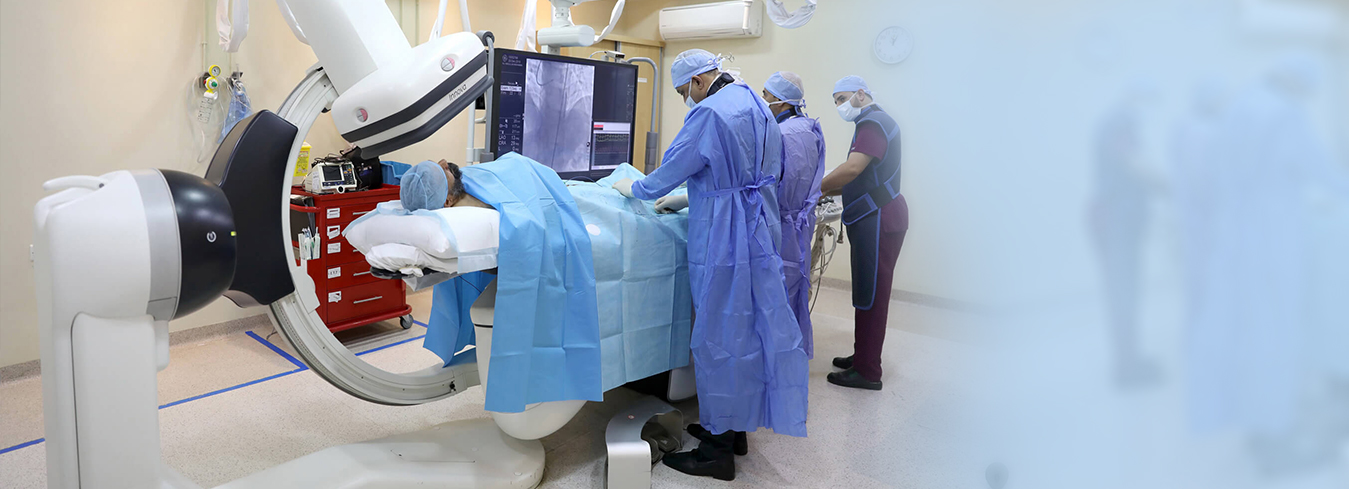
Transarterial Chemoembolization (TACE) Cost in India
TACE, or transarterial chemoembolization, is a less invasive liver cancer treatment that uses imaging. Transarterial Chemoembolization (TACE) Cost in India ranges from 3,500 USD to 5,000 USD depending on various factors.
Cost of TACE: India Vs Other Countries
Factors That Can Impact TACE Cost in India
There are some factors which can impact the cost of TACE in India. Even so the cost of the treatment is much more agffortable than any other developed nations and is on international standard.
Cancer Type and Stage: The cost is determined on whether the patient has one or many liver tumors, as advanced cases may necessitate multiple TACE procedures. The total cost increases with the complexity of the case.
The number of sessions needed: For effective treatment, some patients might only need one or two sessions, while others might need several rounds. The overall cost rises considerably with each extra session.
The hospital and its location: In comparison to smaller cities, premium hospitals in major cities like Delhi, Mumbai, or Bangalore typically charge more. Pricing is also influenced by the hospital’s repute, international accreditations, and infrastructure.
The team involved and the expertise of the doctor: Oncology teams and highly skilled interventional radiologists may charge more for treatment. However, the cost is justified because their experience frequently increases safety and success rates.
Utilization of Embolic Agents and Medicines: Cost variance is significantly influenced by the kind and caliber of embolic materials and chemotherapeutic medications utilized during the treatment. The cost of specialized or imported agents is higher than that of regular ones.
Top Hospitals for TACE in India
Here is a list of the top hospitals in India that is known for providing TACE treatment:
- Fortis Memorial Research Institute, Gurugram
- Apollo Hospitals (various locations, e.g. Chennai, Hyderabad)
- Medanta – The Medicity, Gurugram
- Max Super Speciality Hospital, New Delhi
Overview of Transarterial Chemoembolization
An innovative method for treating liver cancer that incorporates a minimally invasive operation is called transarterial chemoembolization (TACE). This method involves the use of drugs to kill cancer cells and an embolic material that damages the tumors’ blood arteries and restricts their blood supply, which kills the cancer cells. Although they both treat cancer, chemotherapy and chemotherapy-embolization have different mechanisms of action. Chemoembolization attacks the tumor directly, whereas chemotherapy enters the patient’s bloodstream and destroys the cancer cells.
TACE uses a high dose of chemotherapy medicines since it targets tumors directly. In addition to liver cancer, other malignancies that have progressed to the liver can also be treated using transarterial chemoembolization. The TACE method for cancer also carries some risk factors that might lead to problems, particularly for people who already have a medical condition like diabetes or kidney disease. Compared to other cancer treatments, TACE offers a much quicker recovery period and a high success rate without impairing the liver’s ability to operate normally. After TACE, the majority of patients with liver cancer recover completely, and their quality of life is enhanced.
What are the different types of TACE for cancer treatment in India?
Following are the different types of TACE for cancer treatmnet in India:
- Traditional TACE: Chemotherapy medications are combined with an embolic agent and injected straight into the blood arteries supplying the tumor with blood in this conventional chemoembolization technique. By cutting off the malignant cells’ blood supply, it aids in the delivery of a high dosage of chemotherapy to those cells.
- Drug-Eluting Bead TACE: This method involves injecting tiny beads containing chemotherapy medications into the tumor’s blood arteries. The cancer cells are treated for a long time by these beads, which gradually release the drug.
- Radioembolization: One kind of TACE that uses tiny, spherical, radioactive materials is called radioembolization. By blocking the tiny blood veins close to the tumor, these drugs are administered into the liver. They kill the cancer cells by directly exposing them to radiation.
- TARE, or transarterial radioembolization: TARE uses radioactive small spherical particles, just like radioembolization, but it targets liver tumors more precisely and causes less damage to healthy liver tissue.
- Bland Embolization: Chemotherapy medications are not used in bland embolization, in contrast to traditional TACE. The goal of this treatment is to decrease the tumor by utilizing embolic agents, such as coils or particles, to cut off the tumor’s blood supply.
- Combination Therapy: TACE may be used in conjunction with other therapies such surgery, ablation therapy, or targeted therapy for certain individuals. Depending on the kind and stage of liver cancer, a variety of treatments is used.
- How TACE is Admistered?
- Below is a description of the TACE procedure’s overall overview:
- Anesthesia: To prevent the patient from experiencing irritation or discomfort during the treatment, the TACE technique is carried out following the injection of anesthesia.
- Catheter Insertion: A tiny cut is made, and a catheter a thin, flexible tube is put into a thigh blood vessel. After that, the catheter is inserted to enter the blood arteries supplying the liver tumor.
- Angiography: To see the tumor’s blood vessels, a contrast dye is injected through a catheter and X-ray imaging is performed.
- Chemotherapy Injection: A combination of chemotherapy medications is administered straight into the tumor’s blood vessels. This makes it possible to target and kill the cancer cells with a concentrated dose of medication.
- Embolization: An embolic agent is delivered via catheter following the chemotherapeutic injection. These chemicals lessen the amount of blood that reaches the tumor by blocking the blood arteries.
- Monitoring: To make sure the tumor is being successfully treated and that normal liver tissue function is not compromised, the medical team uses X-ray guidance to track the procedure’s progress.
- Removal of the Catheter: After the procedure is finished, the catheter is taken out and pressure is administered to the area of the incision to stop the bleeding.
- Recovery: The majority of individuals recover from the treatment without experiencing any issues. Medication can be used to treat the side effects that certain individuals may encounter, such as fever, nausea, or pain.
Why do many patients choose India for their treatment plan?
Many people choose to have treatment in India for the following primary reasons:
- Affordable Healthcare: Without sacrificing quality, medical care in India is frequently 60–80% less expensive than in Western nations.
- World-Class Hospitals: India is home to hospitals with cutting-edge infrastructure and cutting-edge technology that are internationally approved (such as JCI and NABH).
- Highly Skilled Physicians: Indian physicians and surgeons are well-known throughout the world for their proficiency, education, and high success rates.
- All-inclusive Treatment Options: From cutting-edge operations, organ transplants, and cancer treatment to complementary therapies like yoga, naturopathy, and ayurveda.
- English is commonly spoken, and medical tourism organizations like as Al Afiya Medi Tour offer assistance with travel, visas, and full patient care.
Conclusion
India has emerged as a trusted global hub for advanced medical treatments, offering a perfect balance of affordability, world-class healthcare, and compassionate care. With internationally accredited hospitals, highly experienced doctors, and comprehensive patient support services, patients from across the globe choose India as their preferred destination for healing. Companies like Al Afiya Medi Tour further simplify the journey by guiding patients every step of the way ensuring not just treatment, but also comfort, trust, and peace of mind.
Top Hospitals for Transarterial Chemoembolization- TACE Cost
Below are the list of the top hospitals that are known for Transarterial Chemoembolization- TACE Cost procedures:

Care Hospitals, Banjara Hills, Hyderabad



Established in: 2000
Number of Beds: 435
Multi Specialty
Location: Hyderabad

Manipal Hospital Bangalore
Established in: 1991
Number of Beds: 600
Multi Specialty
Location: Bangalore
HCG Cancer Centre Ahmedabad
Established in: 2012
Number of Beds: 75
Single Specialty
Location: Ahmedabad
Sakra World Hospital Bangalore
Established in: 2013
Number of Beds: 300
Multi Specialty
Location: Bangalore
Asian Institute of Medical Sciences, Faridabad
Established in: 2010
Number of Beds: 425
Super Specialty
Location: Faridabad, India
Fortis Hospital, Bangalore (Bannerghatta Road)
Established in: 2006
Number of Beds: 284
Multi Specialty
Location: Bangalore
Shalby Sanar International Hospital, Gurgaon, India
Established in: 2022
Number of Beds: 150
Multi Specialty
Location: Gurugram
Apollo Hospital Mumbai
Established in: 1983
Number of Beds: 500
Multi Specialty
Location: Mumbai
Continental Hospitals Hyderabad
Established in: 2013
Number of Beds: 750
Super Specialty
Location: Hyderabad
Max Hospital, Shalimar Bagh
Established in: 2011
Number of Beds: 300
Super Specialt
Location: New Delhi
Our Services
Transparent • Professional • Without Hassles
Compare Cost Estimates
Get detailed cost breakdowns and compare prices across multiple hospitals
Book Doctor Appointment
Schedule appointments with top specialists at your convenience
Hospitalisation Support
Complete assistance from admission to discharge with dedicated care
Video Consultation
Consult doctors online or in-person based on your preference
Travel Assistance
Visa support, flight booking, and airport pickup services
Language Interpreter
Multilingual support to ensure clear communication
Accommodation
Comfortable stay arrangements near the hospital
24/7 Support
Round-the-clock assistance for all your medical needs
Top Transarterial Chemoembolization- TACE Cost Specialists

Dr. Kapil Kumar
Delhi4.0
Experience: 45
Education: BBS, MS, FICS
Get a free consultancy
Dr. Pooja Babbar
Gurugram4.0
Experience: 11
Education: MBBS, MD, DM
Get a free consultancy
Dr. S Jayalakshmi
Gurgaon4.0
Experience: 37
Education: MBBS, MD, DNB, Fellowship
Get a free consultancy
Dr. Anshuman Kumar
Delhi4.0
Experience: 25
Education: MBBS, MS, MCh, MRCS
Get a free consultancy
Dr. (Col) R. Ranga Rao
Gurugram4.0
Experience: 47
Education: MBBS , MD , DM
Get a free consultancy
Dr. Niranjan Naik
Gurugram4.0
Experience: 27
Education: MBBS , MS , Fellowship
Get a free consultancy
Dr. Sabyasachi bal
New Delhi, India4.0
Experience: 30
Education: MBBS, MS, DNB, FRCS
Get a free consultancy
Dr. Rajasundaram
Chennai, India4.0
Experience: 32
Education: MBBS, MS, MCh, DNB, FAIS, FAMS
Get a free consultancy
Dr. Debashish Chaudhary
Delhi4.0
Experience: 25
Education: MBBS , MS, MCh
Get a free consultancy
Dr. Rakesh Chopra
4.0
Experience: 15 years of experience
Education: HOD , MBBS, MD
Get a free consultancy
Get Free Consultation
Fill out the form below and our team will get back to you shortly
Frequently Asked Questions
FAQ’S
Q: What is the cost of TACE treatment in Delhi?
A: On average TACE in Delhi usually cost around 3,500 USD and may go higher depending on the number of session a patient may require.
Q: What is TACE and who needs it?
A: TACE is a minimally invasive procedure used to treat liver cancer by delivering chemotherapy directly to the tumor and blocking its blood supply. It is usually recommended for patients who cannot undergo surgery or liver transplant.
Q: How many TACE sessions are usually required?
A: The number of sessions depends on the size, location, and spread of the tumor. Some patients may need only one session, while others may require multiple treatments for effective results.
Q: What is the recovery time after TACE?
A: Most patients can go home within 1–2 days after the procedure. Mild side effects like fever, nausea, or fatigue may last for a week, but recovery is usually quick compared to major surgery.
Get Free Consultation
Fill out the form below and our team will get back to you shortly
Error: Contact form not found.