Endometrial Cancer Treatment Cost in India
Your health, our priority – We offer you the finest treatment with personalized care that goes beyond treatment. Reach out to us today.
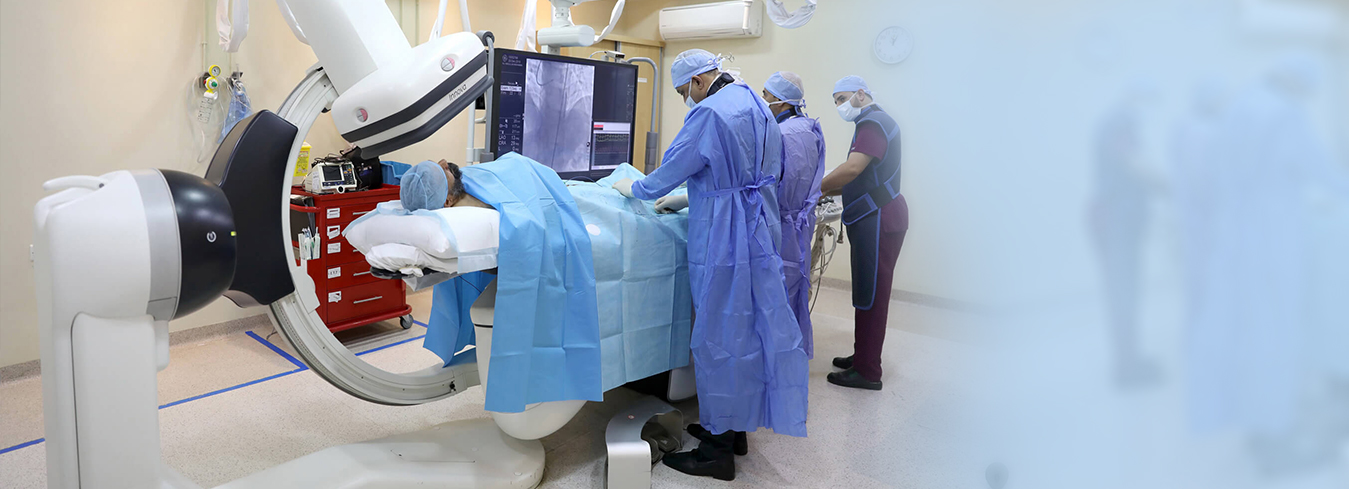
Endometrial cancer, sometimes referred to as womb cancer or uterine cancer, is a kind of cancer that starts in the endometrium, the lining of the uterus. It is the most prevalent gynecological cancer, and although it can strike at any age, it usually strikes women after menopause.
Endometrial Cancer Treatment Cost in India
On average, the cost of endometrial cancer treatment in India begins at approximately 4,500 USD and can go up to 12,000 USD or more, depending on the type of treatment, the patient’s condition, and the location of the hospital.
Prices for Different Types of Endometrial Cancer Treatment in India
| Treatment Type | Approximate Cost (INR) | Approximate Cost (USD) |
| Surgery | ₹2,00,000 – ₹6,00,000 | $2,700 – $8,100 |
| Chemotherapy | ₹50,000 – ₹2,00,000 | $675 – $2,700 |
| Radiation Therapy | ₹1,00,000 – ₹3,00,000 | $1,350 – $4,050 |
| Hormone Therapy | ₹50,000 – ₹2,50,000 | $675 – $3,375 |
| Immunotherapy | ₹1,00,000 – ₹3,00,000 | $1,350 – $4,050 |
Note: Costs can vary based on the number of cycles and the specific drugs used.
Endometrial Cancer Treatment Cost in Different Cities in India
| City | Approximate Cost (INR) | Approximate Cost (USD) |
| Delhi | ₹5,13,840 – ₹6,85,120 | $6,000 – $8,000 |
| Mumbai | ₹5,13,840 – ₹6,85,120 | $6,000 – $8,000 |
| Bangalore | ₹5,13,840 – ₹6,85,120 | $6,000 – $8,000 |
| Chennai | ₹5,13,840 – ₹6,85,120 | $6,000 – $8,000 |
| Hyderabad | ₹5,13,840 – ₹6,85,120 | $6,000 – $8,000 |
| Kolkata | ₹5,13,840 – ₹6,85,120 | $6,000 – $8,000 |
| Ahmedabad | ₹4,62,456 – ₹6,16,608 | $5,400 – $7,200 |
| Pune | ₹4,62,456 – ₹6,16,608 | $5,400 – $7,200 |
Note: These figures are approximate and can vary based on the specific hospital, treatment plan, and individual patient needs.
What are the various factors that can impact endometrial cancer treatment cost in India?
There are various fcators that can impact the cost of endometrial cancer treatment in India, which are as follows:
Type of treatment: Whether a patient needs surgery, chemotherapy, radiation therapy, hormone therapy, or immunotherapy affects the cost. The total cost is raised by the combination therapy.
Cancer Stage and Severity: Treatment for endometrial cancer in its early stages is typically less rigorous. Costs may increase for advanced stages if more treatments, a lengthier hospital stay, and specialized care are required.
Infrastructure & Hospital: Compared to smaller or government hospitals, private and metropolitan hospitals with state-of-the-art facilities and international accreditation (JCI/NABH) demand greater rates.
The expertise of a surgeon: Gynecologic oncologists and highly skilled oncologists charge more for consultations and surgery.
Tests for diagnosis and preoperative care: Lab tests, genetic testing, biopsies, and imaging (MRI, CT, and PET scans) raise the total cost of treatment.
Hospital Stay & Postoperative Care: ICU stays, private rooms, wound care, physical therapy, and follow-up consultations all can raise the total costs of the treatment.
Drugs Used: Generic pharmaceuticals are less expensive than brand-name immunotherapy, targeted treatment, or chemotherapy drugs.
Additional procedures: Costs may increase further if reconstructive surgery, lymph node dissection, or sophisticated minimally invasive procedures are needed.
Top Hospitals for Endometrial Cancer Treatment in India
Here are the names of the top hospitals in India that are known for treating cancer and are accredited by international organizations like JCI, NABH, etc.
- Apollo Hospitals (Chennai, Delhi, Hyderabad)
- Fortis Memorial Research Institute, Gurugram
- Medanta – The Medicity, Gurugram
- Max Super Specialty Hospital, New Delhi
- Kokilaben Dhirubhai Ambani Hospital, Mumbai
- Artemis Hospital, Gurgaon
- Paras Hospital, Gurgaon
- Marengo Hospital, Gurgaon.
An Overview on Endometrial Cancer
Endometrial cancer is a form of cancer that develops in the uterine lining, or endometrium. It is among the most prevalent gynecologic malignancies, particularly in women over fifty. The disease frequently progresses slowly, and early signs like irregular vaginal bleeding, pelvic pain, or atypical discharge frequently enable prompt diagnosis. Risk factors include age, family history of cancer, obesity, hormonal imbalances, and specific genetic mutations such as Lynch syndrome.
Depending on the tumor’s stage and kind, endometrial cancer may be treated with hormone therapy, immunotherapy, radiation therapy, chemotherapy, or surgery (either a hysterectomy or a lumpectomy). Prognosis is greatly improved by early detection, and when treated quickly, survival rates are good.
Types of Endometrial Cancer
The way the cancer cells appear under a microscope identifies the type of endometrial cancer.
- Type I endometrial cancer: Endometrioid adenocarcinoma is the most prevalent kind of endometrial cancer. These cancer cells have a better prognosis, are less aggressive, and are mostly linked to estrogen exposure.
- Type II endometrial cancer: it has rarer histologic subgroups, including serous, clear cell, carcinosarcoma, and undifferentiated/dedifferentiated. They are more likely to spread to tissues outside the uterus and have a tendency to grow quickly.
How Endometrial Cancer is Diagnosed?
Clinical assessment, imaging, and tissue tests are used to diagnose endometrial cancer, which damages the uterine lining. Here’s a clear overview of the diagnostic procedure:
- Physical examination and medical history
- The physician will go over symptoms including irregular discharge, pelvic pain, or irregular vaginal bleeding.
- To look for any ovarian or uterine anomalies, a pelvic examination is conducted.
- Imaging Examinations
- Transvaginal Ultrasound (TVUS): This technique uses sound waves to produce images of the uterus and can identify endometrial thickness.
- An MRI or CT scan can help identify whether cancer has spread to other organs.
- Endometrial Biopsies and Sampling
- Endometrial Biopsy: A tiny piece of uterine lining tissue is taken out and seen under a microscope. This is the most reliable method of cancer detection.
- Dilation and Curettage (D&C): This operation removes a larger sample of uterine tissue if the results of a biopsy are not conclusive.
- Hysteroscopy
- To observe the uterine lining directly and do targeted biopsies, a thin, illuminated tube is passed through the cervix and vagina.
- Tests in the Lab
- To help direct treatment, tissue samples are analyzed for the presence of malignant cells, cancer kind, and cancer grade.
How Endometrial Cancer is treated?
A number of variables, such as the disease’s stage, the patient’s general health, and their individual preferences, influence how endometrial or uterine cancer is treated. The main forms of treatment for this kind of cancer are as follows:
- Surgery: For endometrial or uterine cancer, surgery is frequently the first line of treatment. It entails the removal of the ovaries (salpingo-oophorectomy), fallopian tubes, and uterus (hysterectomy). In certain instances, lymph nodes could also be extracted for additional examination.
- Radiation Therapy: This method kills or slows the growth of cancer cells by using high-energy radiation. It can be administered internally (brachytherapy) or externally (external beam radiation). For advanced-stage malignancies, radiation therapy is frequently utilized either alone or in conjunction with surgery.
- Chemotherapy: Chemotherapy uses medications to destroy cancer cells. It is frequently advised for advanced-stage or recurrent endometrial or uterine malignancies and can be given orally or intravenously. In order to give the body time to heal, chemotherapy is usually administered in cycles with intervals.
- Hormone Therapy: Hormone receptor-positive cancers are treated with hormone therapy. In order to inhibit the progression of cancer, drugs that either block hormones or decrease their synthesis are used.
- Targeted Therapy: This relatively recent strategy targets particular genetic alterations in cancer cells. Drugs that target these particular modifications and stop their progression are used in this process.
Many factors influence the treatment decision, which is typically made by a group of medical specialists, such as medical oncologists, radiation oncologists, and gynecologic oncologists, who collaborate to create a customized treatment plan for each patient.
Why do many foreign patients come to India for cancer treatment?
India has become a top cancer treatment destination, drawing patients from all around the world. Its cutting-edge equipment, top-notch medical knowledge, and notably cheaper prices make it a desirable option for patients from abroad looking for high-quality care. With a well-established medical tourism infrastructure that supports patients throughout their treatment journey, Indian cancer institutes provide extensive treatment options with short waiting times.
Key Advantages
- Cost savings of 60-80% compared to Western countries while maintaining high quality standards
- State-of-the-art technology including robotic surgery, CyberKnife, advanced radiation therapy, and precision medicine
- Internationally trained oncologists with extensive clinical experience and global qualifications
- JCI-accredited hospitals meeting international quality and safety standards
- Minimal waiting times for appointments, surgeries, and procedures
- Comprehensive treatment access including chemotherapy, immunotherapy, targeted therapy, and clinical trials
- Dedicated international patient services for visa assistance, accommodation, interpreters, and follow-up care
- English-speaking medical staff and culturally diverse, welcoming environment
How can we assist you?
We at Al Afiya Medi Tour help patients by connecting them with India’s top hospitals and specialists for cancer treatment at affordable costs. They provide end-to-end support, including treatment planning, doctor consultations, visa assistance, airport pickup, accommodation, translation services, and 24/7 patient care. With their guidance, international patients can access world-class treatment in India smoothly and without stress.
Top Hospitals for Endometrial Cancer Treatment Cost in India
Below are the list of the top hospitals that are known for Endometrial Cancer Treatment Cost in India procedures:

CK Birla Hospital, Gurugram



Established in: 2017
Number of Beds: 90
Multi Specialty
Location: Gurugram

PSRI hospital, Saket
Established in: 1996
Number of Beds: 106
Multi Specialty
Location: saket, New Delhi
Fortis Hospital, Bangalore (Bannerghatta Road)
Established in: 2006
Number of Beds: 284
Multi Specialty
Location: Bangalore
Zydus Hospital Ahmedabad
Established in: 2015
Number of Beds: 550
Super Specialty
Location: Ahmedabad
Kokilaben Dhirubhai Ambani Hospital Mumbai
Established in: 2008
Number of Beds: 750
Multi Specialty
Location: Mumbai
HCG Cancer Centre Ahmedabad
Established in: 2012
Number of Beds: 75
Single Specialty
Location: Ahmedabad
DR L H Hiranandani Hospital Mumbai
Established in: 2004
Number of Beds: 240
Super Specialty
Location: Mumbai
Columbia Asia Hospital Bangalore
Established in: 2014
Number of Beds: 150
Super Specialty
Location: Bangalore
MGM Hospital, chennai
Established in: 2016
Number of Beds: 400
Multi Specialty
Location: Chennai
Yashoda Hospital Hyderabad
Established in: 1989
Number of Beds: 500
Multi Specialty
Location: Secunderabad, Hyderabad
Our Services
Transparent • Professional • Without Hassles
Compare Cost Estimates
Get detailed cost breakdowns and compare prices across multiple hospitals
Book Doctor Appointment
Schedule appointments with top specialists at your convenience
Hospitalisation Support
Complete assistance from admission to discharge with dedicated care
Video Consultation
Consult doctors online or in-person based on your preference
Travel Assistance
Visa support, flight booking, and airport pickup services
Language Interpreter
Multilingual support to ensure clear communication
Accommodation
Comfortable stay arrangements near the hospital
24/7 Support
Round-the-clock assistance for all your medical needs
Top Endometrial Cancer Treatment Cost in India Specialists

Dr. Niranjan Naik
Gurugram4.0
Experience: 27
Education: MBBS , MS , Fellowship
Get a free consultancy
Dr. Hari Goyal
New Delhi4.0
Experience: 26 Years Of Experience
Education: HOD , DM, MD, MBBS
Get a free consultancy
Dr. Sumant Gupta
Faridabad, India4.0
Experience: 20
Education: MBBS , MD , DM
Get a free consultancy
Dr. Surender Kumar Dabas
4.0
Experience: 12 years of experience
Education: Director , DNB, MS, MBBS
Get a free consultancy
Prof. Dr. Suleyman Alici
Istanbul, Turkey4.0
Experience: 35
Education:
Get a free consultancy
Dr. Vivek Gupta
Saket, India4.0
Experience: 27
Education: MBBS, MS, DNB
Get a free consultancy
Dr. Amish Vora
Saket, India4.0
Experience: 24
Education: MBBS, MD, DM
Get a free consultancy
Dr. Kapil Kumar
Delhi4.0
Experience: 45
Education: BBS, MS, FICS
Get a free consultancy
Dr. Anshuman Kumar
Delhi4.0
Experience: 25
Education: MBBS, MS, MCh, MRCS
Get a free consultancy
Dr. Rajasundaram
Chennai, India4.0
Experience: 32
Education: MBBS, MS, MCh, DNB, FAIS, FAMS
Get a free consultancy
Get Free Consultation
Fill out the form below and our team will get back to you shortly
Frequently Asked Questions
FAQ’s
Q: How much does womb cancer cost in Delhi?
A: Typically, the cost can vary from 4,500 USD to 10,000 USD depending on the type of cancer, the stage of the cancer, and the type of treatment.
Q: When should I consider getting a diagnosis of uterine cancer?
A: If you have symptoms such as irregular vaginal bleeding, blood spotting between periods, bleeding even after menopause, abnormal discharge with an unpleasant odor, etc., you should think about getting examined for endometrial or uterine cancer.
Q: How quickly can cancer of the endometrium spread?
A: The type 2 uterine cancer, called sarcoma, is uncommon but spreads swiftly, while the type 1 uterine cancer, called adenocarcinoma, is a frequent womb cancer that begins in the uterus (womb) itself and grows slowly. Patients differ in how quickly it spreads (metastasizes) throughout their bodies. But it can spread in a matter of months or years. It spreads via the tissues, lymphatic system, or circulation.
Q: What are the typical causes of womb cancer?
A: Hormonal imbalance is the most frequent cause of womb cancer. The endometrial lining thickens as estrogen levels rise and progesterone levels fall, interfering with the DNA of the cells that make up the lining. This can occur for a variety of reasons, such as never being pregnant, having diabetes or high blood pressure, being overweight or obese, genetics, etc.