Kaposi Sarcoma Treatment Cost in India
Your health, our priority – We offer you the finest treatment with personalized care that goes beyond treatment. Reach out to us today.
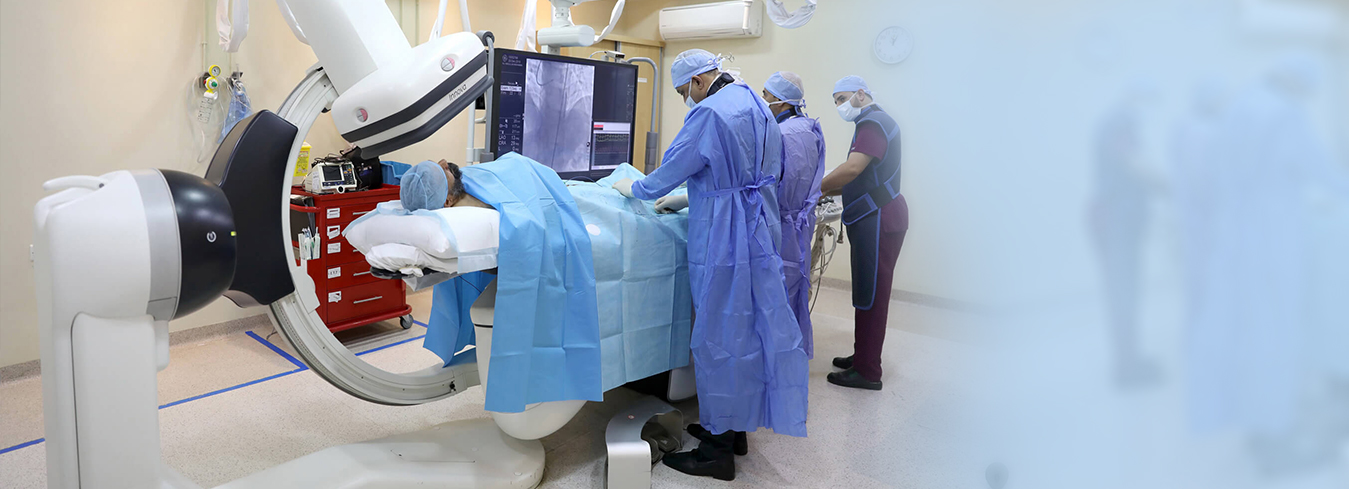
Kaposi sarcoma is an uncommon and a rare type of cancer that starts in the cells that line the lymphatic or blood arteries. It is distinguished by aberrant cell proliferation, which leads to the formation of cancer tumors primarily on the skin, but it can also affect other organs in the body, such as the mouth, lymph nodes, and gastrointestinal tract.
Kaposi Sarcoma Treatment Cost in India
Kaposi sarcoma treatment cost in India, on an average starts from 3,000 USD and can go up to 7,000 USD depending on the type of treatment, patient condition, and the location or hospital you opt for.
Prices for the Types of Procedures for Kaposi Sarcoma Treatment in India
| Treatment Type | Cost in INR | Cost in USD |
| Overall Treatment (Complete) | ₹2,55,000 – ₹5,95,000 | $3,000 – $7,000 |
| Radiation Therapy (per session) | ₹2,000 – ₹5,000 | $24 – $60 |
| Chemotherapy | ₹50,000 – ₹2,00,000 | $600 – $2,400 |
| Surgery (Local excision) | ₹1,00,000 – ₹3,00,000 | $1,200 – $3,600 |
| Immunotherapy | ₹1,50,000 – ₹4,00,000 | $1,800 – $4,800 |
| Targeted Therapy | ₹1,50,000 – ₹4,00,000 | $1,800 – $4,800 |
Note: Please be aware that the prices stated above are only for the treatment; there will be other variables that will affect the final costing of kaposi sarcoma treatment in India, such as the stage of the disease, the organs involved, and the type of treatment required
Kaposi Sarcoma Treatment Cost in India Vs Other Countries
| Country | Cost in INR | Cost in USD |
| India | ₹2,55,000 – ₹5,95,000 | $3,000 – $7,000 |
| USA | ₹42,50,000 – ₹1,27,50,000+ | $50,000 – $150,000+ |
| UK | ₹12,75,000 – ₹34,00,000 | $15,000 – $40,000 |
| Singapore | ₹17,00,000 – ₹51,00,000 | $20,000 – $60,000 |
| Turkey | ₹8,50,000 – ₹21,25,000 | $10,000 – $25,000 |
What are the various key components that can affect Kaposi Sarcoma Treatment Cost in India?
Several key factors can impact the cost of Kaposi sarcoma treatment in India. Here we have given some of the important factors that you should keep in mind while coming for the treatment:
- Treatment Type Selected: Antiretroviral therapy (ART), chemotherapy, radiation therapy, immunotherapy, and surgery are among the available options. The cost structure of each varies.
- The disease’s stage and extent: Lesions that are localized can only need modest operations, while systemic or extensive disease raises overall costs.
- Hospital & Address: Government hospitals, private hospitals, and internationally recognized facilities have varying costs; metro areas like Delhi, Mumbai, and Bangalore have higher costs.
- Expertise of the Doctor: Consultation and procedure costs may be greater for patients treated by senior oncologists or specialists.
- The length and frequency of treatment: Total costs are directly impacted by radiation treatments, chemotherapy cycles, and long-term ART.
- Supportive Drugs and Examinations: The cost may increase with routine blood testing, imaging (CT/MRI), and antiviral medications for HIV treatment.
- Hospitalization and Aftercare: Complications, intensive care unit care, or inpatient treatment may raise expenses.
Top Hospitals for Kaposi Sarcoma Treatment in India
Given below are the names of the top hospitals in India known for treating kaposi sarcoma:
- Apollo Hospitals (Chennai, Delhi, Hyderabad)
- Fortis Memorial Research Institute, Gurugram
- Medanta – The Medicity, Gurugram
- Max Super Specialty Hospital, New Delhi
- Kokilaben Dhirubhai Ambani Hospital, Mumbai
- Artemis Hospital, Gurgaon
- Paras Hospital, Gurgaon
- Marengo Hospital, Gurgaon.
What is Kaposi Sarcoma?
Kaposi sarcoma is an abnormal and rare kind of cancer that results in aberrant blood vessel growth. It typically manifests as lumps or patches on the skin, mouth, or internal organs that are purple, red, or brown. People with compromised immune systems, particularly those living with HIV/AIDS, are more likely to develop it. The illness may remain confined to the skin or may extend to the lymph nodes, liver, lungs, or digestive tract.
Although it may appear grave, Kaposi sarcoma is curable, particularly if caught early. Depending on the severity of the illness and the patient’s general condition, treatment frequently consists of antiretroviral therapy (ART), chemotherapy, radiation, or a combination of these. Many individuals can improve their quality of life and control their disease with the right medical care.
What are the different types of Kaposi sarcoma?
Kaposi sarcoma comes in four varieties. They are, in order of least to most common:
- Epidemic KS: The most frequent type of Kaposi sarcoma in the U.S., which is associated with AIDS/HIV.
- Classic KS: Males over 60 who are of Mediterranean, Southwest Asian, Eastern European, or Ashkenazi Jewish heritage are primarily affected by this kind of KS. Internal organs may also be affected by lesions.
- Endemic KS: People who live close to the African equator are affected by this kind of KS. Although the age of diagnosis is typically much younger (under 40), it is comparable to classic KS.
- Acquired KS: This kind can develop if you have HHV-8.
What are the different types of treatment used to treat Kaposi Sarcoma in India?
To improve the patient’s quality of life through efficient symptom management, kaposi sarcoma treatment in India attempts to both aggressively target and control the disease. The severity of the condition, the patient’s current health, and the existence of additional illnesses like HIV and AIDS all influence the treatment options. In India, these are some of the most cutting-edge techniques for treating Kaposi sarcoma.
ART, or antiretroviral therapy: The primary therapeutic strategy associated with Kaposi sarcoma HIV/AIDS is the initiation or intensification of antiretroviral therapy. Due to the effect of ART on immunological healing, maculopapular lesions from Kaposi sarcoma may not progress or even regress.
Cryotherapy: The process, which is often called cryotherapy, involves using low temperatures to remove Kaposi sarcoma-related lesions. Following the use of a temporary constriction, the damaged tissue is instantly frozen using liquid nitrogen or an equivalent cryogenic material, which destroys the tumor cells. A popular method for treating superficial lesions, particularly those affecting the skin and mucosal surfaces, is cryotherapy. In the case of minor, isolated lesions, it might be a better therapy option.
Surgery: Local excision is a surgical technique that can remove a single Kaposi sarcoma lesion or several in small groups. A white tissue border must surround the section of tissue that needs to be removed once it has been cut. This Kaposi Sarcoma treatment is frequently used to treat localized, non-spreading lesions. To minimize tumor size and enhance appearance, local excision aims to eradicate all visible malignancies.
Systemic therapy: It might be required if the Kaposi sarcoma has advanced or is really severe. Among them are:
-
Chemotherapy: Among the chemotherapy drugs used to treat and slow the progression of Kaposi sarcoma are liposomal doxorubicin, paclitaxel, and vinblastine.
-
Immunotherapy: To improve the immune system’s reaction to Kaposi sarcoma, immunomodulatory drugs like interferon-alpha and pembrolizumab are examples of immunomodulatory therapies.
-
Radiation therapy and targeted therapy: Radiation therapy uses high-energy beams to destroy cancer cells, while targeted therapy uses medications to disrupt the signals that cancer cells use to proliferate.
Why do many patients come to India for treatment?
India’s state-of-the-art medical facilities, highly skilled physicians, and affordable care have made it a preferred medical destination for many patients from overseas. India draws patients from all over the world for treatments, including cancer treatment, organ transplants, and eye surgery, because it provides top-notch facilities with internationally recognized standards (NABH/JCI) for a fraction of the price of Western nations.
With India’s advanced technology, personalized care, and shorter wait times, together with its wide range of medical tourism services, including accommodation, visa assistance, and post-treatment follow-up, further make the treatment procedure simpler and more accessible for patients from overseas.
If you or your loved ones are looking for kaposi sarcoma treatment in India and have no clue where to start, contact us (Al Afiya Mei Tour). We are a well-known medical tourism company in India for providing treatment at affordable prices, and are in collaboration with the best hospitals and doctors in India.
Top Hospitals for Kaposi Sarcoma Treatment Cost in India
Below are the list of the top hospitals that are known for Kaposi Sarcoma Treatment Cost in India procedures:
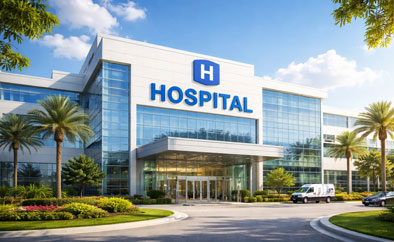
Kokilaben Dhirubhai Ambani Hospital Mumbai
Established in: 2008
Number of Beds: 750
Multi Specialty
Location: Mumbai

Saifee Hospital Mumbai
Established in: 1948
Number of Beds: 257
Multi Specialty
Location: Mumbai
Max Super Speciality Hospital, Dwarka
Established in: 2024
Number of Beds: 300
Multi Specialty
Location: New Delhi
Apollo Hospital Mumbai
Established in: 1983
Number of Beds: 500
Multi Specialty
Location: Mumbai
Continental Hospitals Hyderabad
Established in: 2013
Number of Beds: 750
Super Specialty
Location: Hyderabad
Yatharth Super Speciality Hospital Noida
Established in: 2013
Number of Beds: 1200
Super Specialty
Location: Noida
CK Birla Hospital, Gurugram
Established in: 2017
Number of Beds: 90
Multi Specialty
Location: Gurugram
Nanavati Super Specialty Hospital Mumbai
Established in: 1950
Number of Beds: 350
Super Specialty
Location: Mumbai
DR L H Hiranandani Hospital Mumbai
Established in: 2004
Number of Beds: 240
Super Specialty
Location: Mumbai
Jaslok Hospital Mumbai
Established in: 1973
Number of Beds: 350
Multi Specialty
Location: Mumbai
Our Services
Transparent • Professional • Without Hassles
Compare Cost Estimates
Get detailed cost breakdowns and compare prices across multiple hospitals
Book Doctor Appointment
Schedule appointments with top specialists at your convenience
Hospitalisation Support
Complete assistance from admission to discharge with dedicated care
Video Consultation
Consult doctors online or in-person based on your preference
Travel Assistance
Visa support, flight booking, and airport pickup services
Language Interpreter
Multilingual support to ensure clear communication
Accommodation
Comfortable stay arrangements near the hospital
24/7 Support
Round-the-clock assistance for all your medical needs
Top Kaposi Sarcoma Treatment Cost in India Specialists

Dr. Rakesh Chopra
4.0
Experience: 15 years of experience
Education: HOD , MBBS, MD
Get a free consultancy
Dr. Amit Agarwal
4.0
Experience: 20 years of experience
Education: Director , MBBS, MD, DM
Get a free consultancy
Dr. Ashok Vaid
Gurugram, India4.0
Experience: 41
Education: MBBS, MD, DM
Get a free consultancy
Dr. Archit Pandit
Gurugram4.0
Experience: 20
Education: MBBS, MS, Fellowship
Get a free consultancy
Dr. Vinod Raina
Gurugram4.0
Experience: 50
Education: MBBS, MD, MRCP, FRCP
Get a free consultancy
Prof. Dr. Suleyman Alici
Istanbul, Turkey4.0
Experience: 35
Education:
Get a free consultancy
Dr. Anshuman Kumar
Delhi4.0
Experience: 25
Education: MBBS, MS, MCh, MRCS
Get a free consultancy
Dr. Ajay Kumar Kriplani
4.0
Experience: 33 Years of Experience
Education: Director , MBBS, MS
Get a free consultancy
Dr. Biswajyoti Hazarika
Gurgaon4.0
Experience: 20
Education: MBBS , MS , Fellowship
Get a free consultancy
Dr. Priya Tiwari
Gurugram4.0
Experience: 17
Education: MBBS , MD , DM
Get a free consultancy
Get Free Consultation
Fill out the form below and our team will get back to you shortly
Frequently Asked Questions
FAQ’s
Q: Is there a cure for Kaposi’s sarcoma?
A: Although there isn’t a cure for Kaposi Sarcoma, it can be managed with the right care, particularly if it begins early.
Q: What is the duration of treatment?
A: The cancer’s location and stage will determine this. Following weeks to months of therapy, some patients require routine checkups.
Q: After therapy, will it return?
A: Yes, particularly if the immune system continues to deteriorate. Relapse management requires ongoing care and observation.
Q: Can Kaposi sarcoma develop in children?
A: Indeed, but it is uncommon in kids. It can happen in areas where Kaposi sarcoma is endemic, such as some parts of Africa, or in children who have congenital immune deficiencies.